
Why college radio still breaks artists first
No playlist algorithm, no corporate gatekeeper — just a rotating staff of students with taste and nothing to lose, charting on their own paper.
No playlist algorithm, no corporate gatekeeper — just a rotating staff of students with taste and nothing to lose, charting on their own paper.
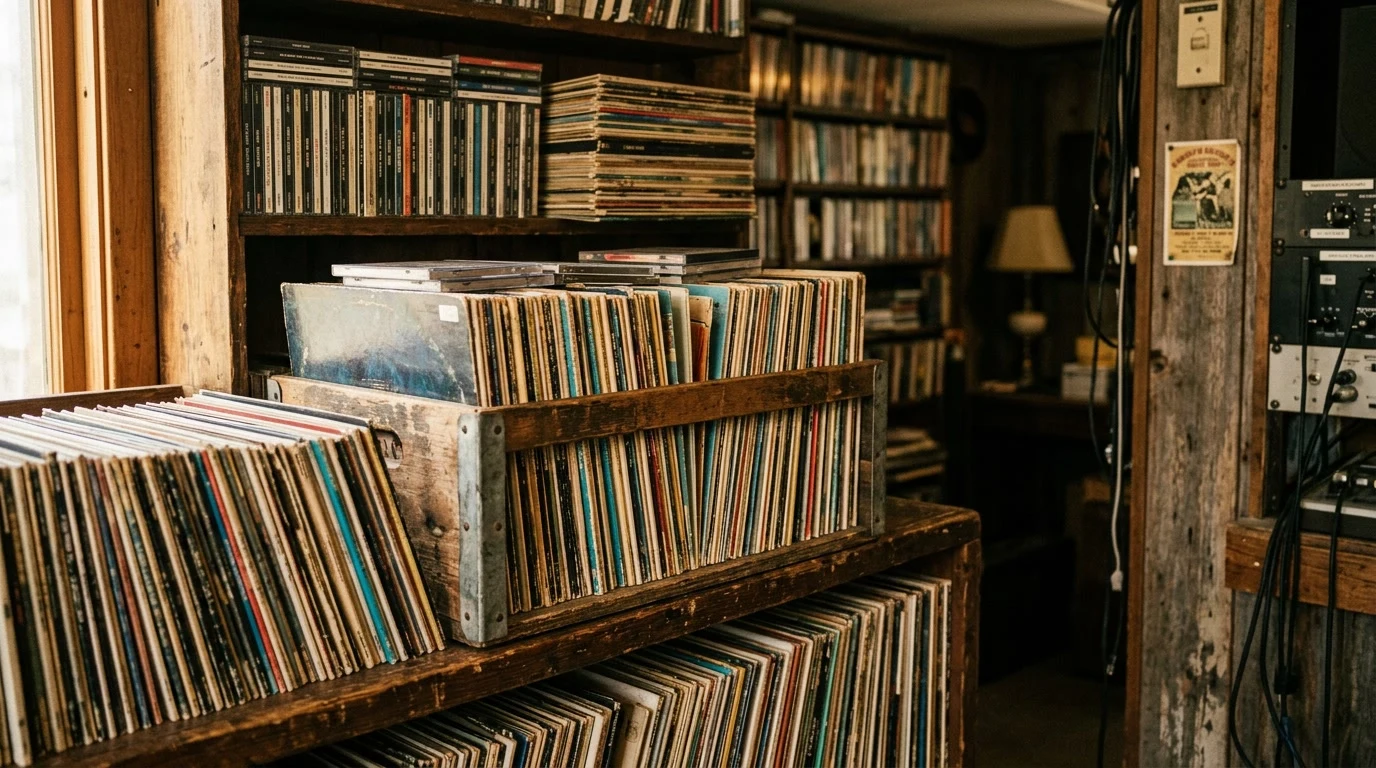
From a volunteer music director's inbox to a weekly national chart report, here's the actual mechanism behind a college radio add.
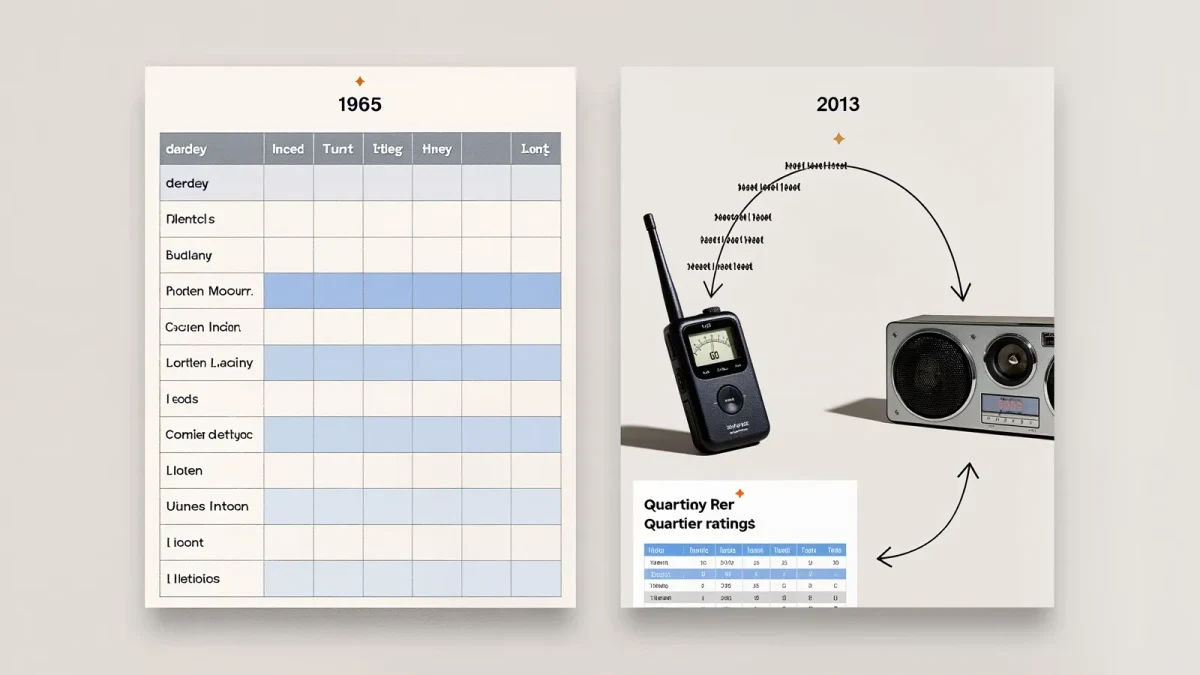
Diaries, portable meters, and surveys — the unglamorous machinery that decides who gets advertisers, who gets a license renewal, and what you hear.

The FCC's low-power FM service exists for nonprofits, schools, and tribal governments, not individuals or companies — and it only takes applications during narrow, irregular filing windows.

A weekly listening diet mixes eras, genres, formats and depth — here is a practical framework that keeps discovery and comfort both on the plate.
Forums, servers and setlist archivists keep surfacing artists years ahead of labels — the documented mechanics of fan-first discovery, and its costs.
The small print is a map of the music world — producers, session players, studios and thank-yous, and how each line becomes a discovery trail.
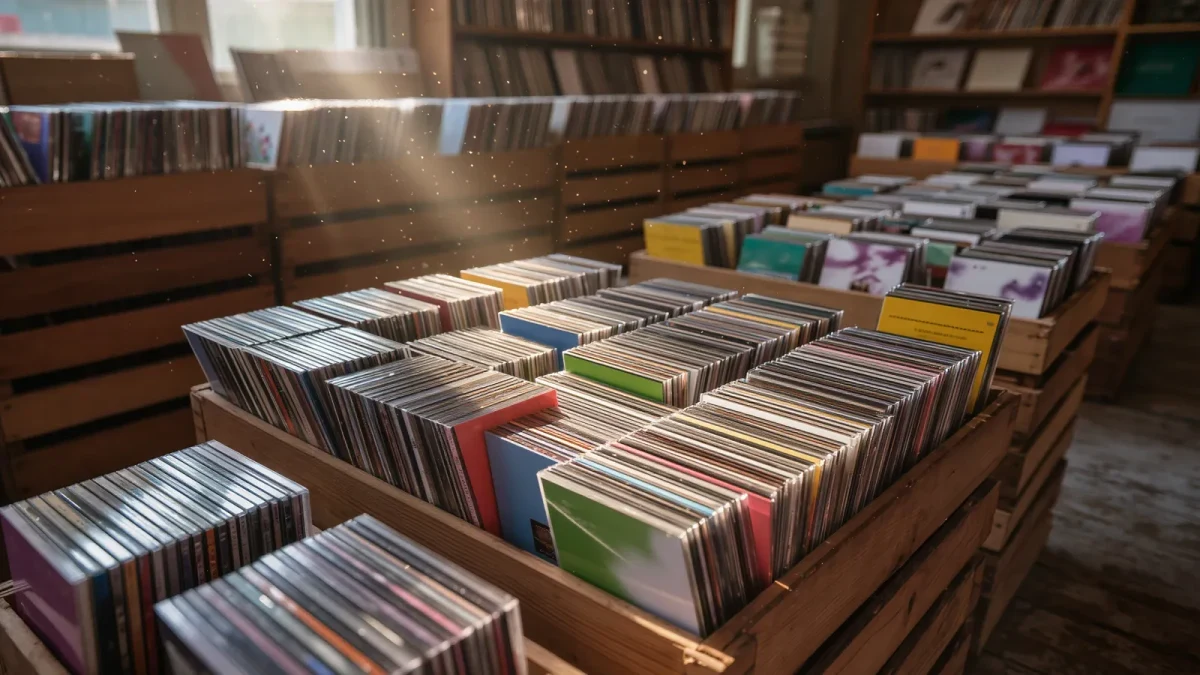
Compact discs are the second-hand market's best value: near-perfect audio, durable plastic, and prices the vinyl boom left behind.
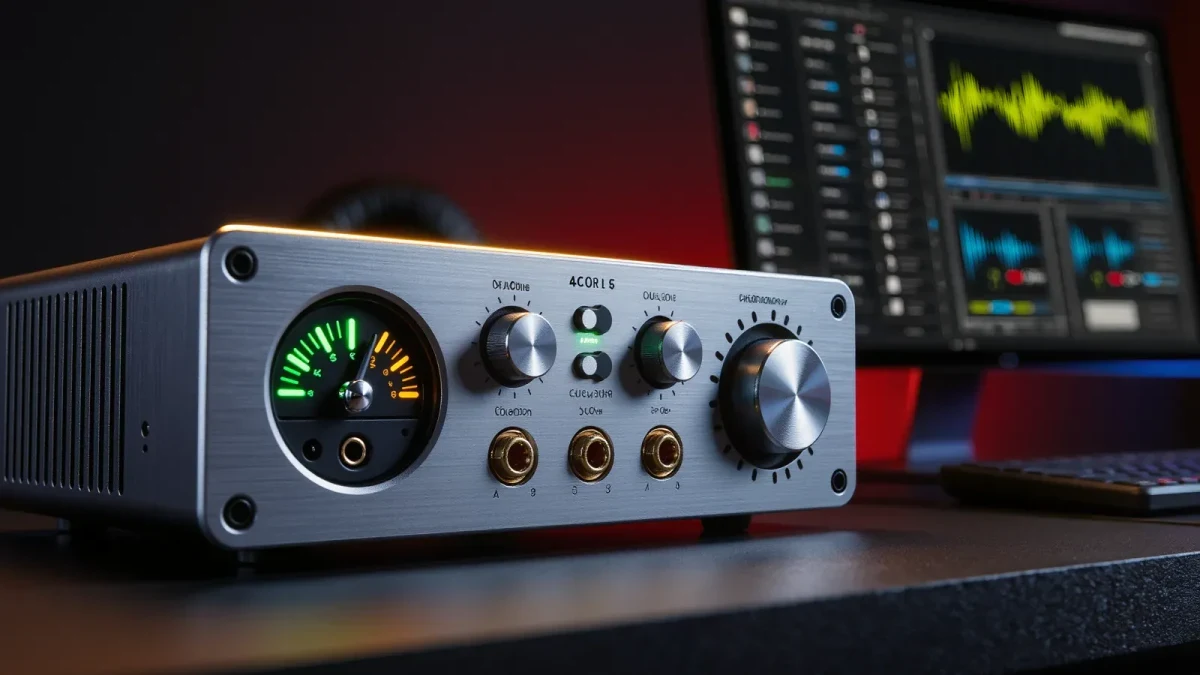
Hi-res audio delivers more data than any human ear can use — the measurements are unambiguous, and the interesting question is why that isn't the whole story.
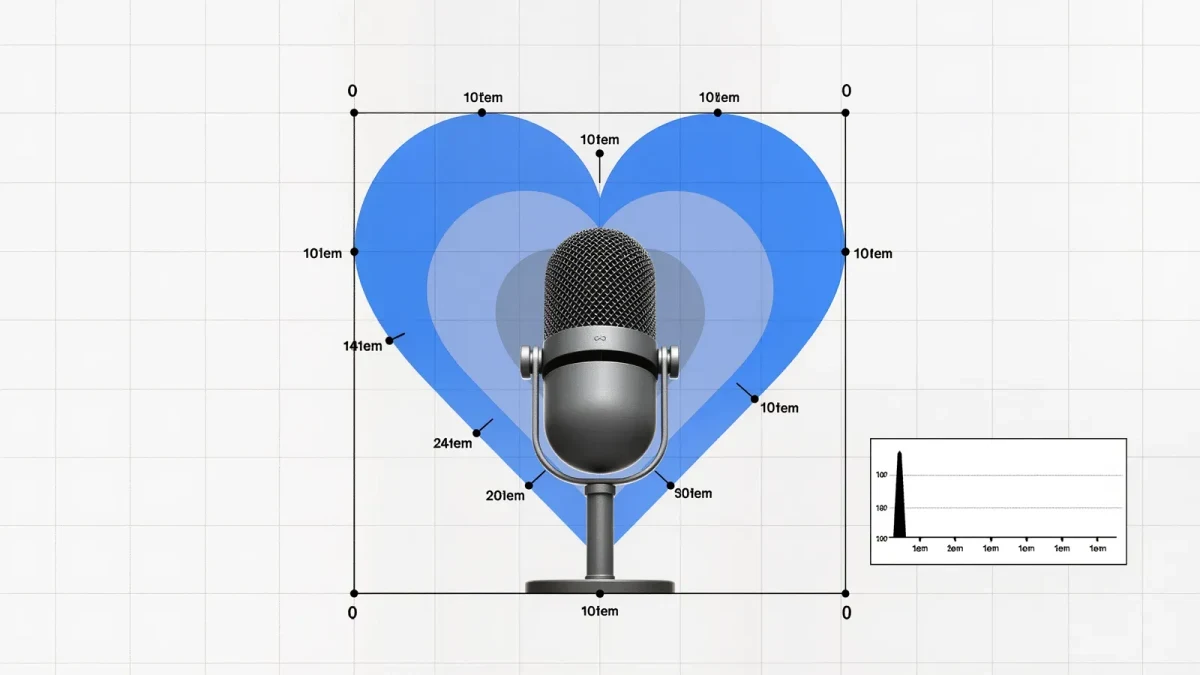
The microphones that survive real radio work share documented traits — dynamic capsules, cardioid patterns, decent self-noise specs — and most of them cost less than a bad interface.

Free, standard, premium, hi-fi — the tiers differ mainly in bitrate, codec, and one loudness decision most subscribers never hear about.
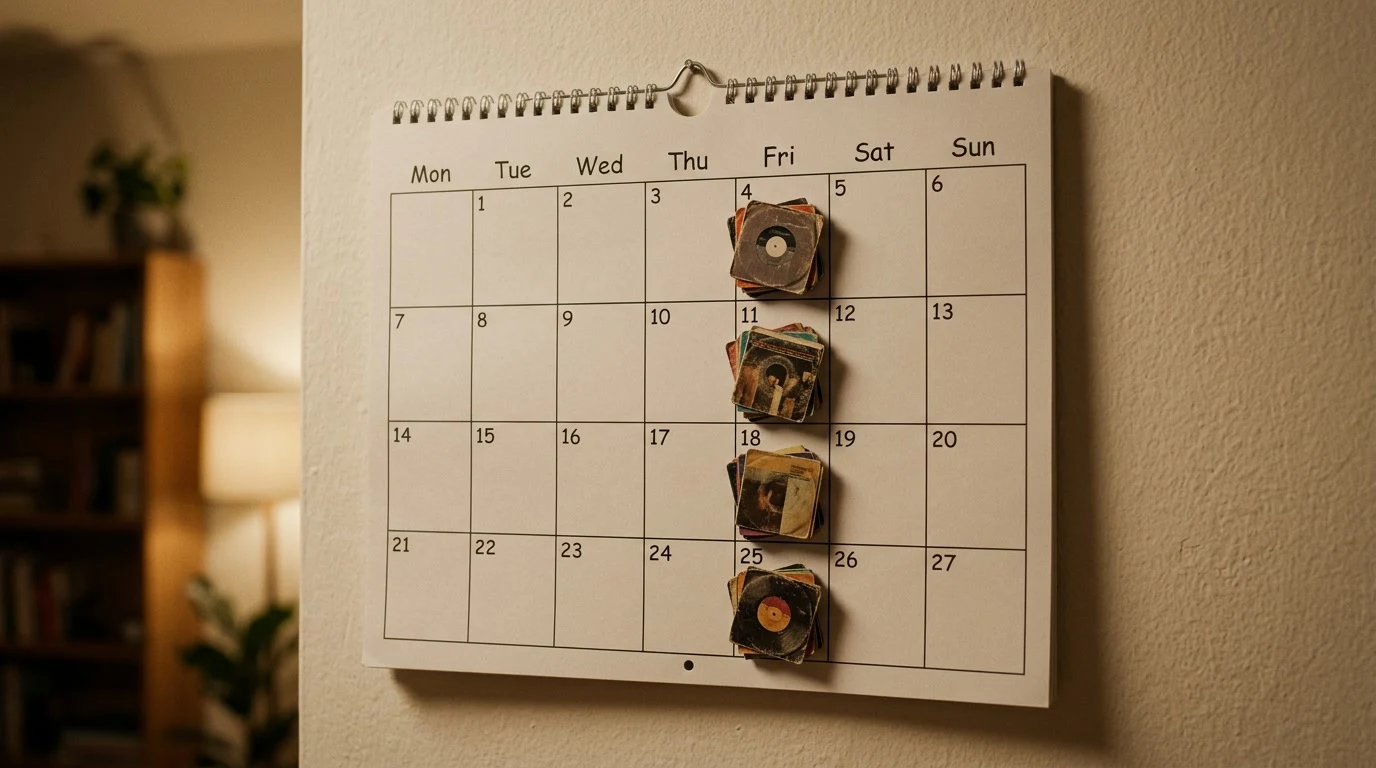
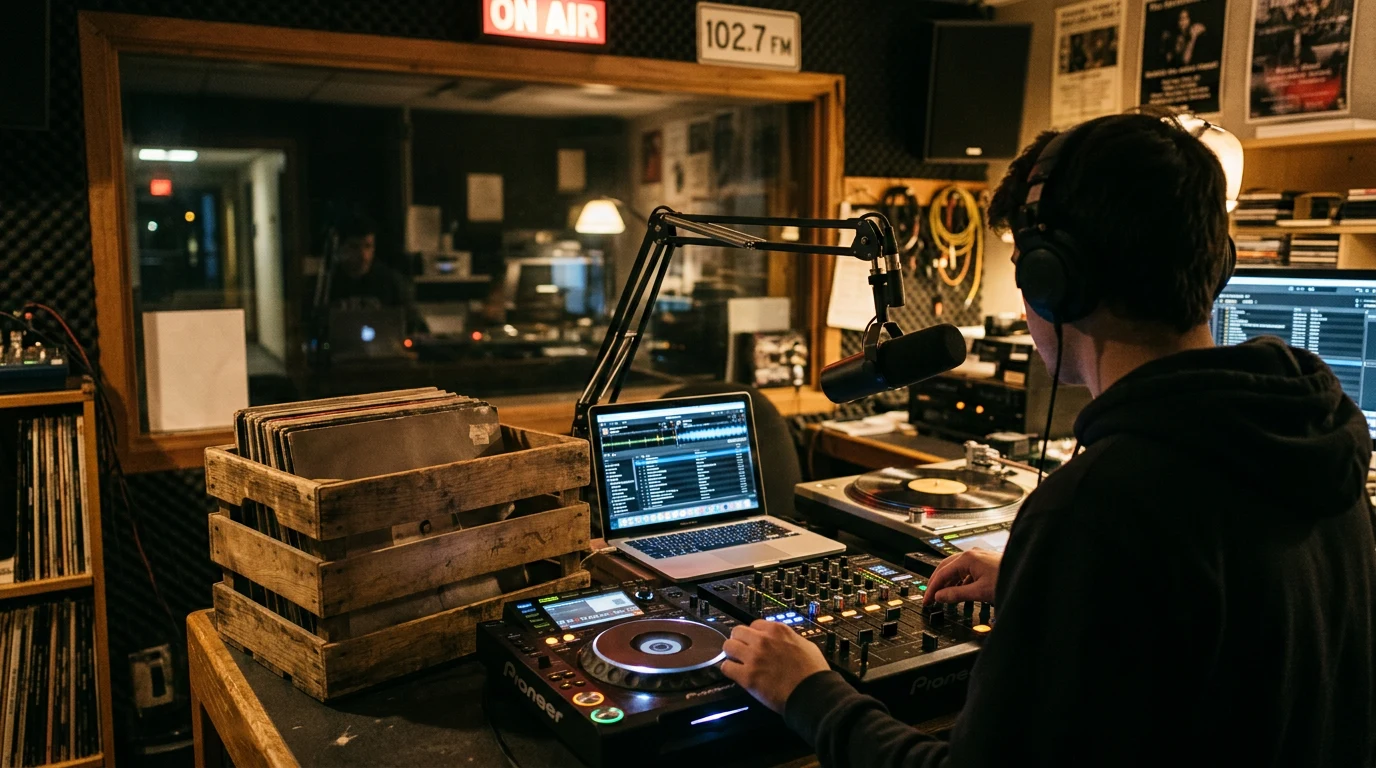
Behind every add is a music director's judgment call, a spin logged in software like Spinitron, and — for stations that opt in — a line in an industry chart.
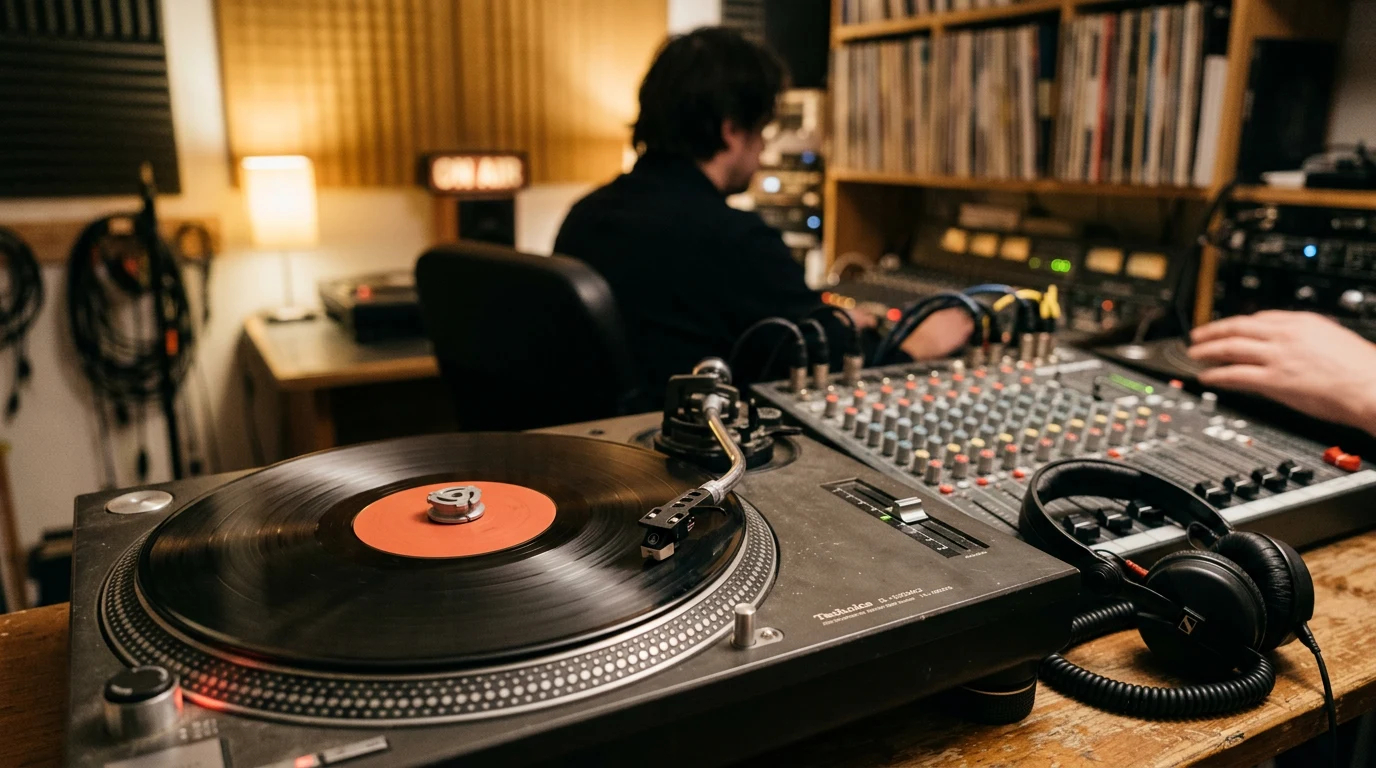
From a submitted single to a station's weekly chart, here is the real mechanism behind airplay at noncommercial radio — and why the data trail still matters for discovery.

A federal rate schedule, not a station's own budget, decides what noncommercial webcasters owe for every internet play — and the number starts smaller than most program directors expect.