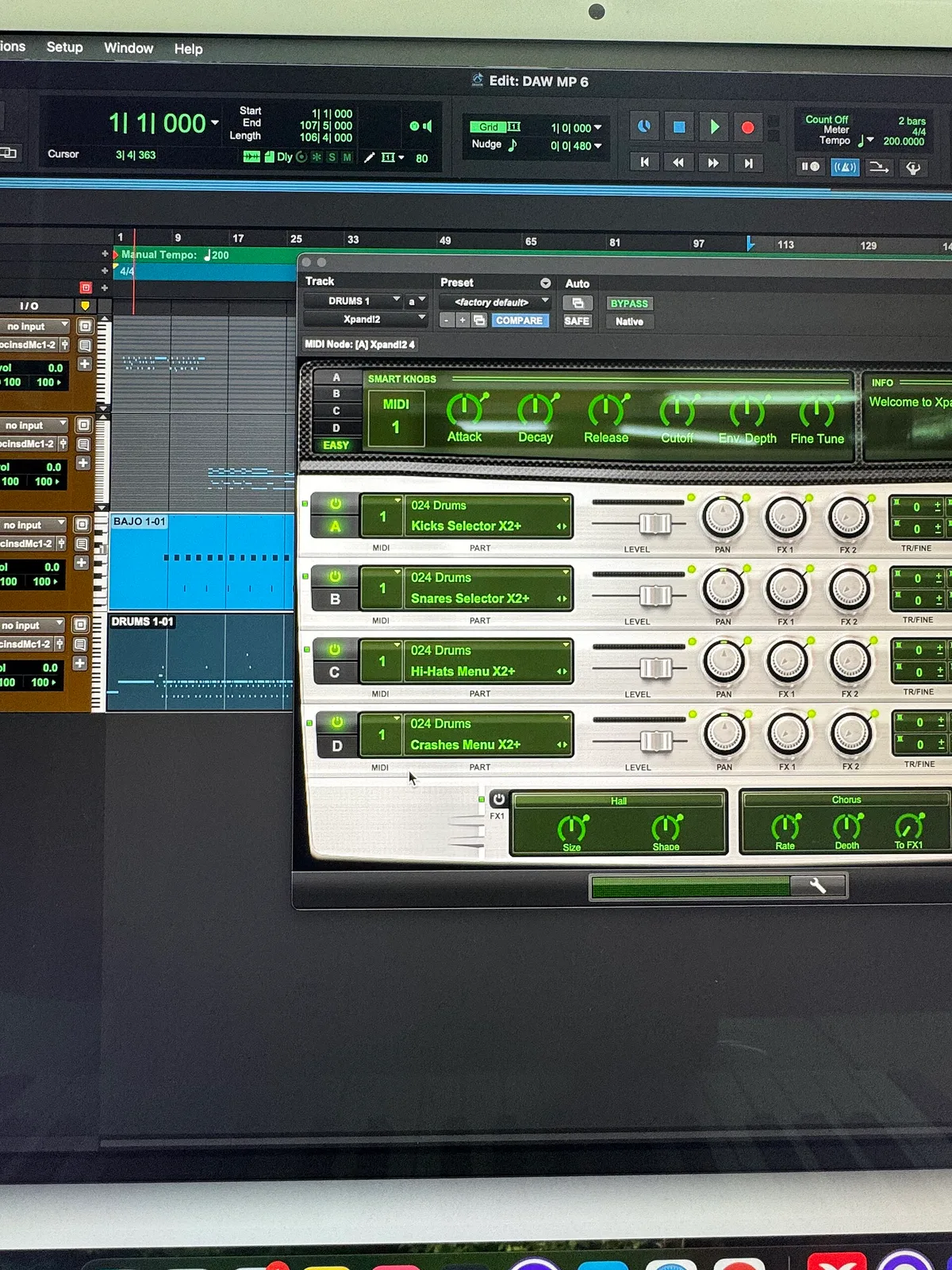
Artists
The artists' studio rituals that shape great records
Studio rituals turn out to be decisions in disguise. The documented ones, from constraint cards to bedroom four-tracks, shaped records the critics quoted here never forgot.
Musicians covered through their work: how a record was made, what changed between albums, and the influences audible in the arrangements.
Studio rituals turn out to be decisions in disguise. The documented ones, from constraint cards to bedroom four-tracks, shaped records the critics quoted here never forgot.
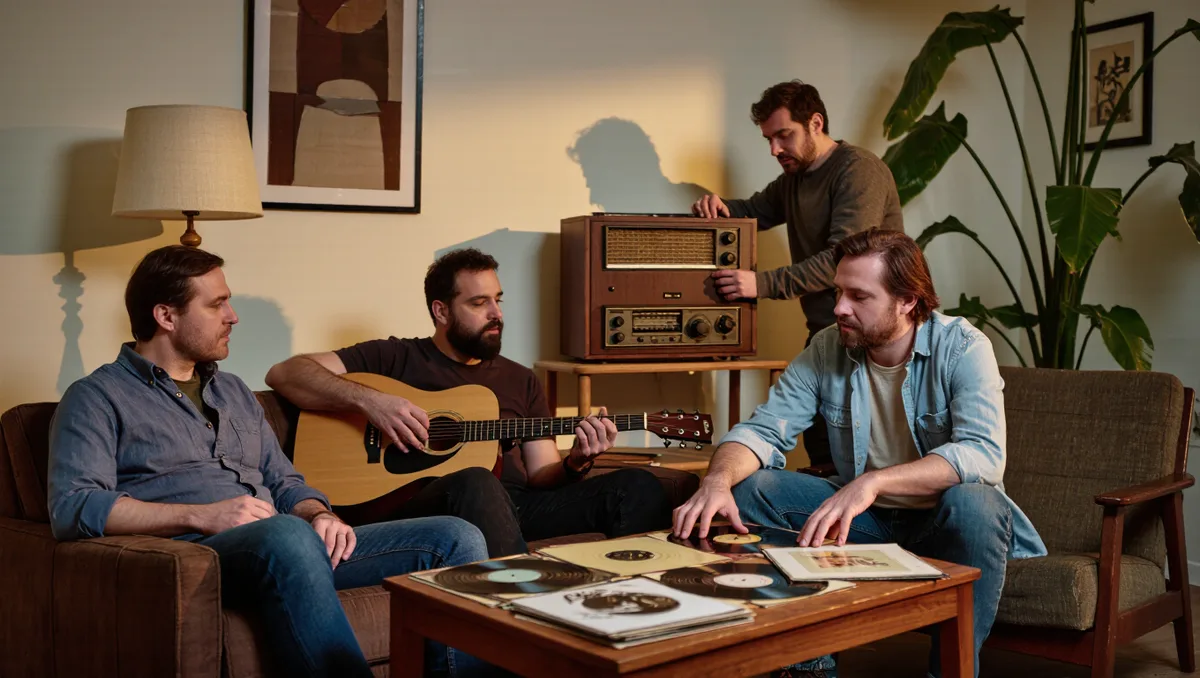
A cover earns its place when it argues with the original — not when it copies it.

Before the charts and the arenas, R.E.M., Nirvana and the Pixies all had the same first stop: a low-power signal and a programmer who took a chance.
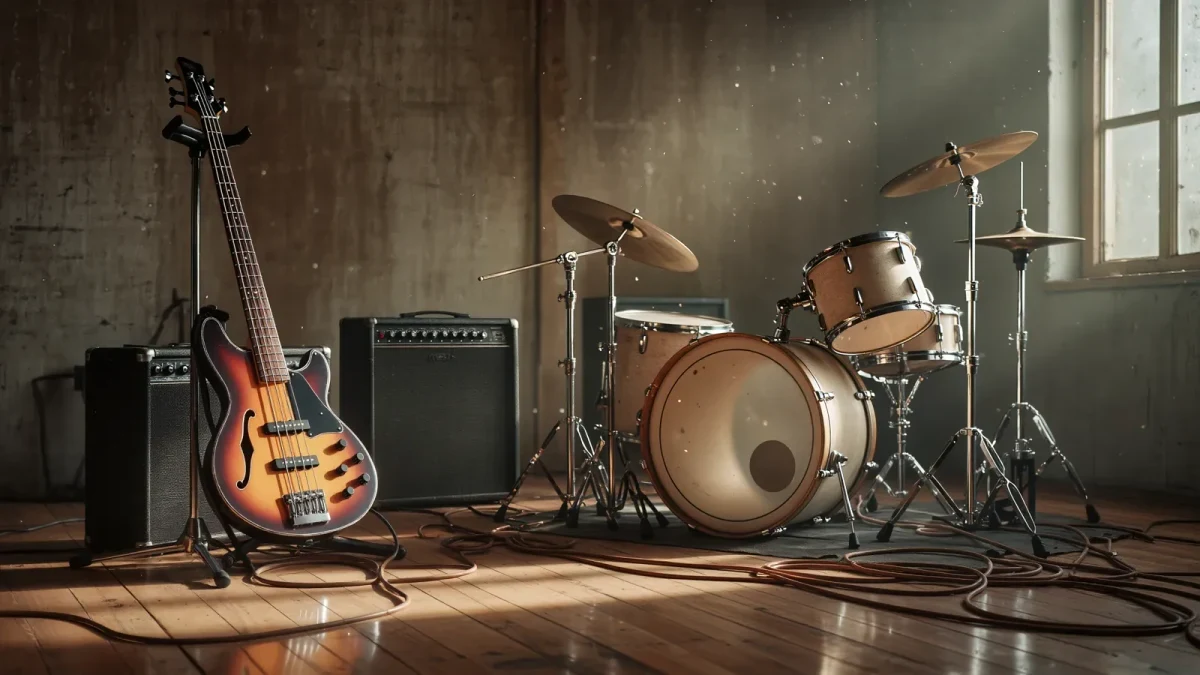
Paul McCartney took the bass because someone had to; Dave Grohl stepped out from the drums to front Foo Fighters; Stevie Wonder traded standards for synthesizers and rebuilt funk.

Radiohead's pay-what-you-want experiment, Macklemore's distribution deal, Chance the Rapper's Grammy without a label — the real history of artists going direct.
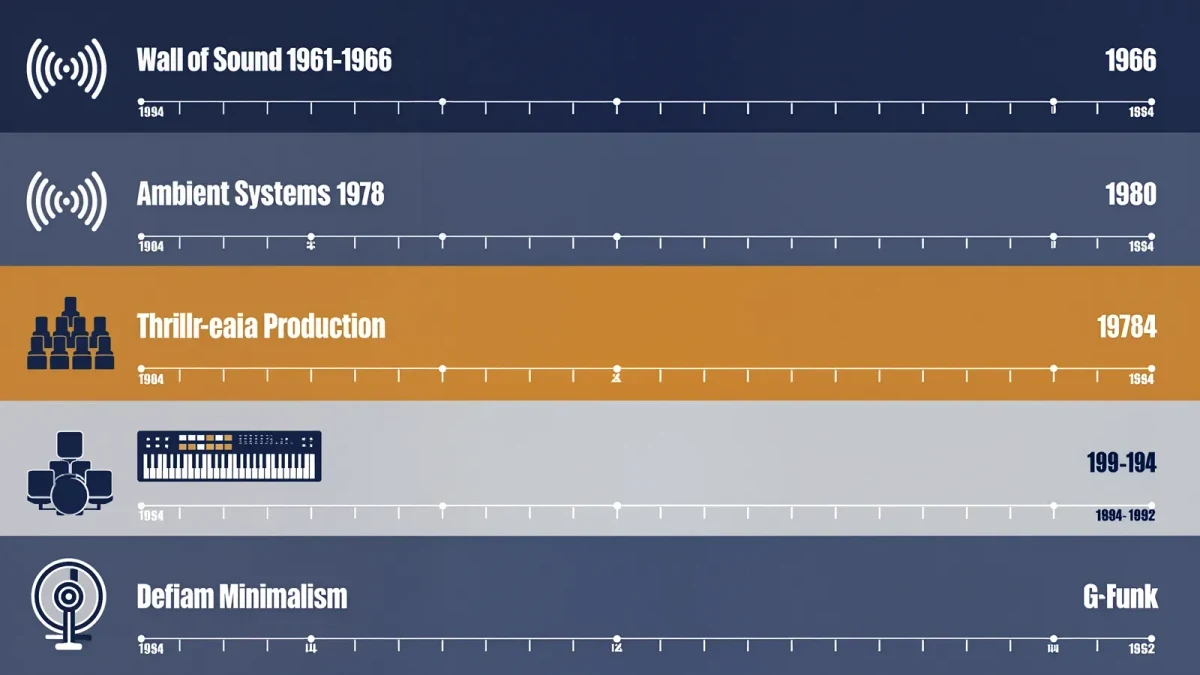
Phil Spector's Wall of Sound, Quincy Jones'sThriller, Dr. Dre's G-funk — a handful of producers built sonic identities so distinct you can name them in four bars.