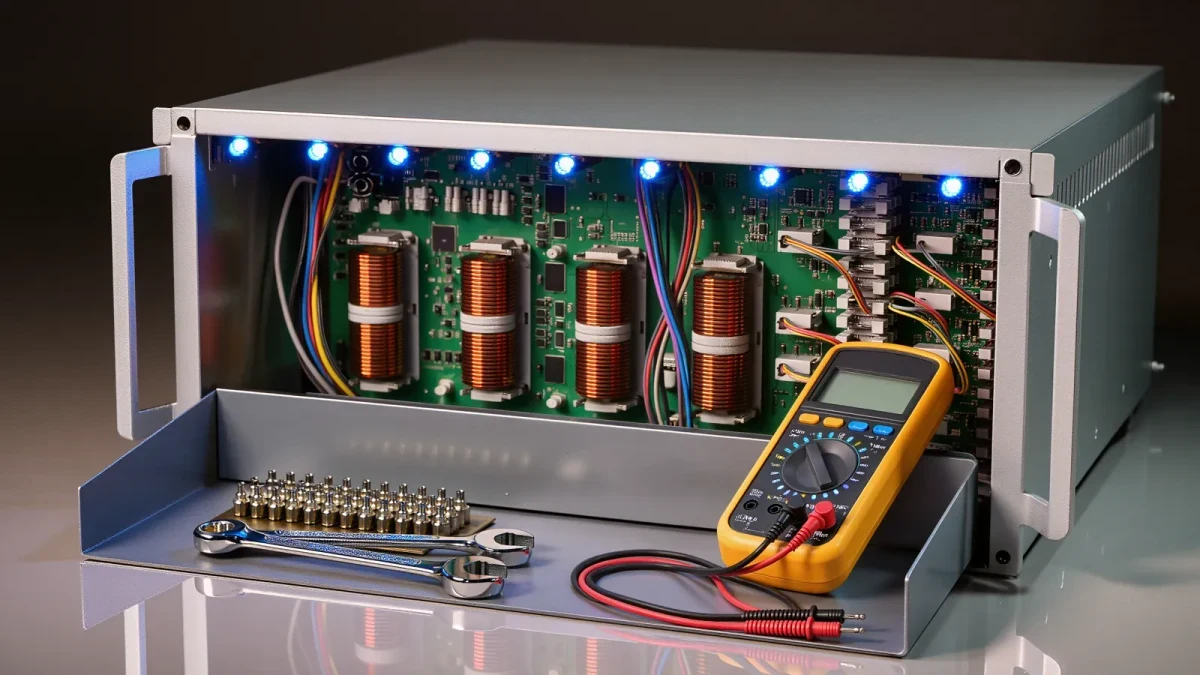
The station signal and HD upgrades rolling out in 2026 are radio's quietest big investment: stations across the country are modernizing transmitters and adding HD Radio digital service, which per equipment maker Nautel's broadcast documentation lets a single FM frequency carry up to three additional digital channels alongside the main analog signal — tripling a station's programming capacity without buying a new frequency.
What does an HD upgrade actually buy a station?
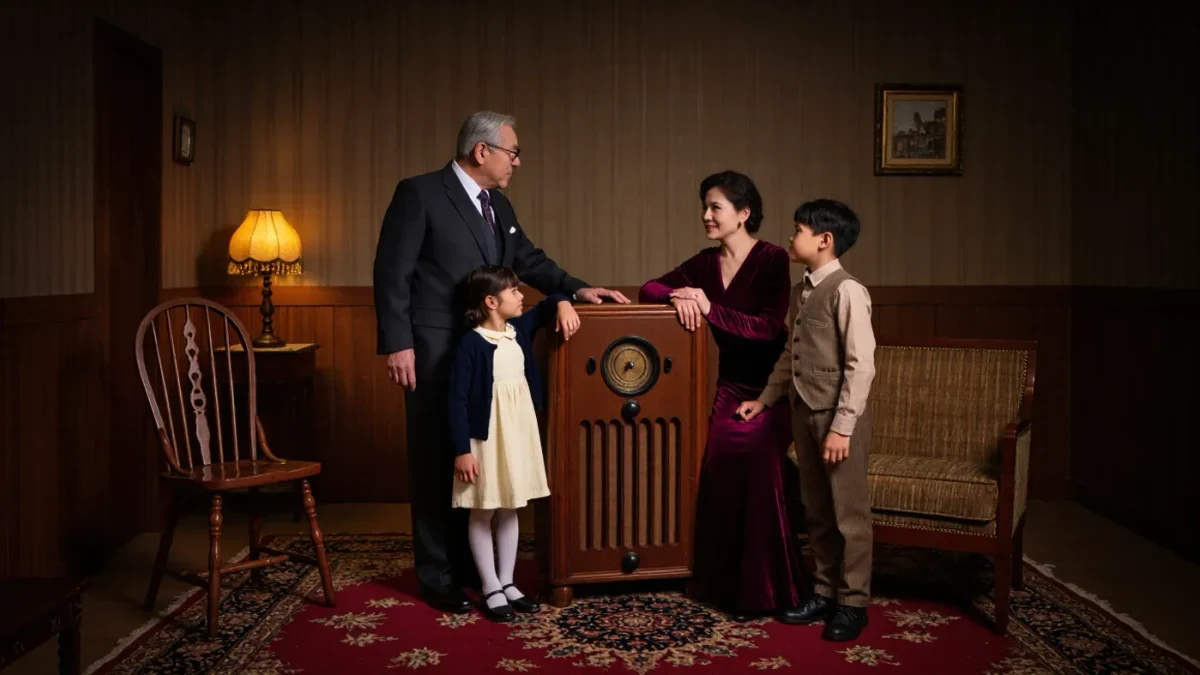
Think of it as real estate. A conventional FM license carries one stream; an HD Radio conversion adds HD2, HD3, and HD4 subchannels that listeners with digital receivers — chiefly in dashboards — can tune like ordinary presets. For music discovery, those subchannels have become laboratories: the community station that runs its flagship news format on the main signal can program deep-catalog jazz or Spanish-language rock on HD2 at almost no incremental spectrum cost. Per REC Networks' engineering guidance for low-power operators, a station budgeting an HD conversion should plan on at least roughly $30,000 in equipment before installation and licensing work.
Why do stations keep investing in physical signal?
Because radio's audience still meets it there. Drive time remains the format's stronghold, and the vehicle dashboard is contested territory — some automakers have dropped built-in HD Radio reception citing limited demand, a tension industry forums and engineering press tracked through 2026, while broadcast groups continued converting transmitters anyway. The logic is durability: a tower and transmitter are assets a station controls outright, immune to app-store policy and streaming royalty economics in a year when the ownership rules themselves are being rewritten in Washington.
Who is doing the work?
The pattern is established groups upgrading acquired signals. When Hope Media Group closed on stations through a merger, it converted their transmitters to HD Radio as standard practice, per Inside Radio's engineering coverage of the project — a playbook other religious and community groups have copied. Equipment vendors including Nautel and Broadcast Electronics maintain dedicated HD transmitter lines and upgrade paths documented on the HD Radio broadcaster support site, and component-level RF upgrade kits have broadened the market beyond full transmitter replacement.
Why it matters for listeners
Signal work is the part of radio you only notice when it fails. But every HD subchannel added in 2026 is a new programming slot — a specialty music show, a second language, a student-run experiment — that did not exist on the band before. In a period of consolidation above and funding cuts below, the transmitter is where stations are choosing to build. The most interesting new radio of 2026 may be hiding three clicks up the dial from the station you already know.