
Radio
Drive-Time Radio: How the Morning Show Holds a Commuter
The daily mechanics behind the most-watched hours on the schedule.
Community stations, specialist shows and internet streams: who is broadcasting, what they play, and how a live hour is assembled and held together.
The daily mechanics behind the most-watched hours on the schedule.
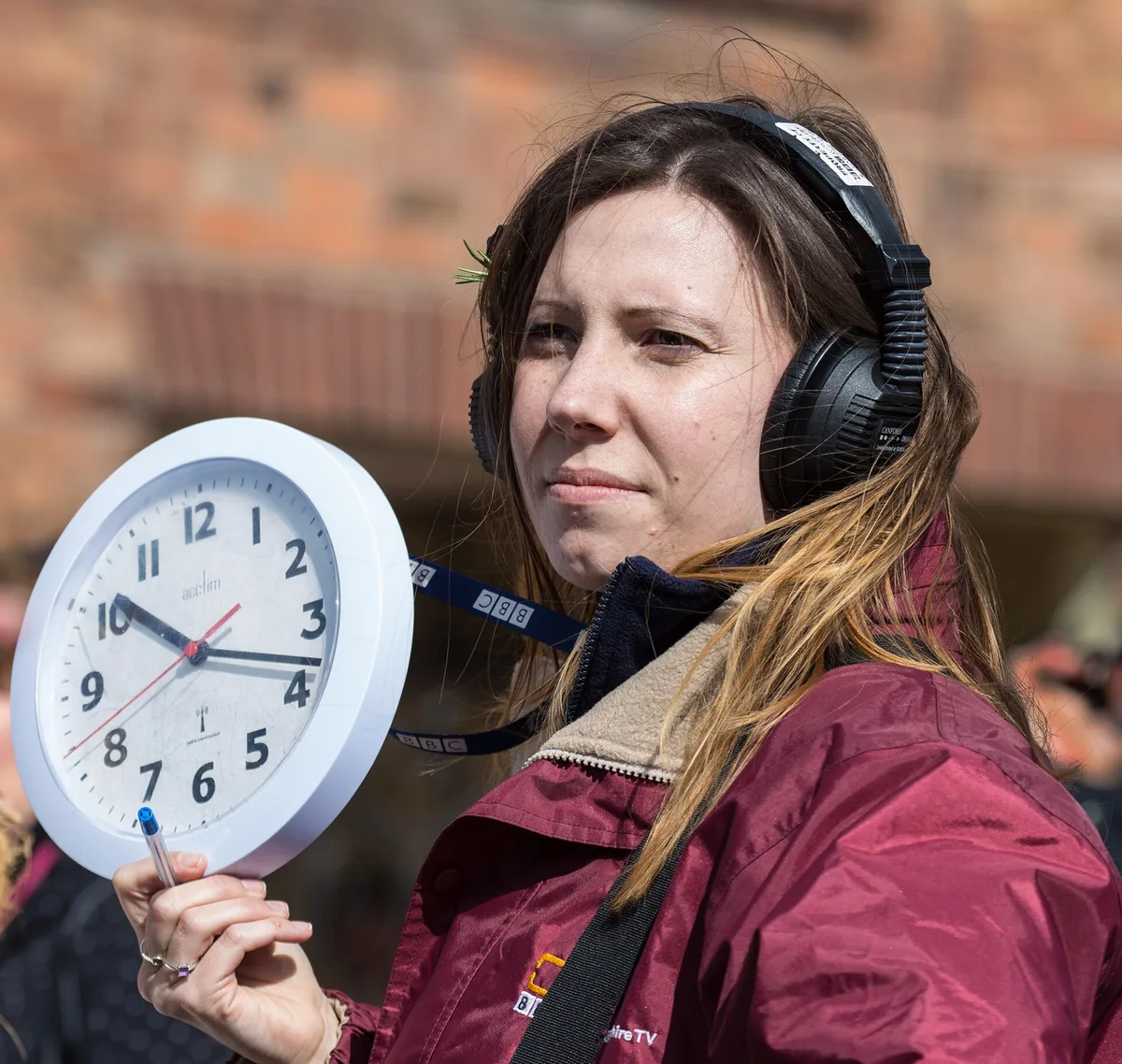
A live radio broadcast sounds effortless from the outside. Inside the studio it is a tight technical routine built on cue sheets, disciplined signal chains, and layered backups against dead air.
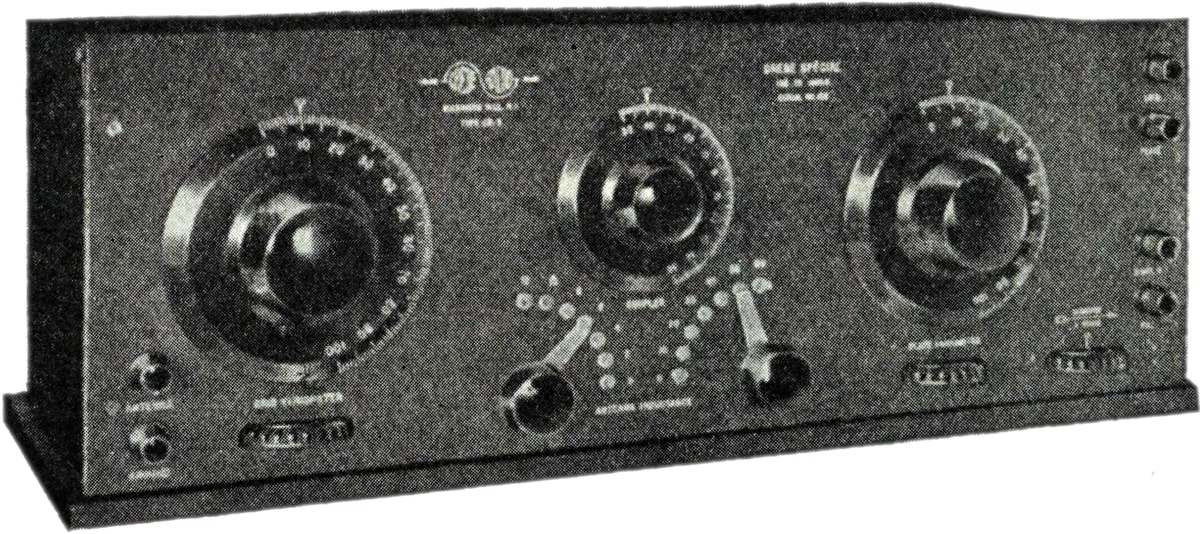
Shortwave signals bounce off the ionosphere, so one transmitter can reach listeners an ocean away. The audience is smaller now, but hobbyists, aviators, and people in war zones still depend on the bands.
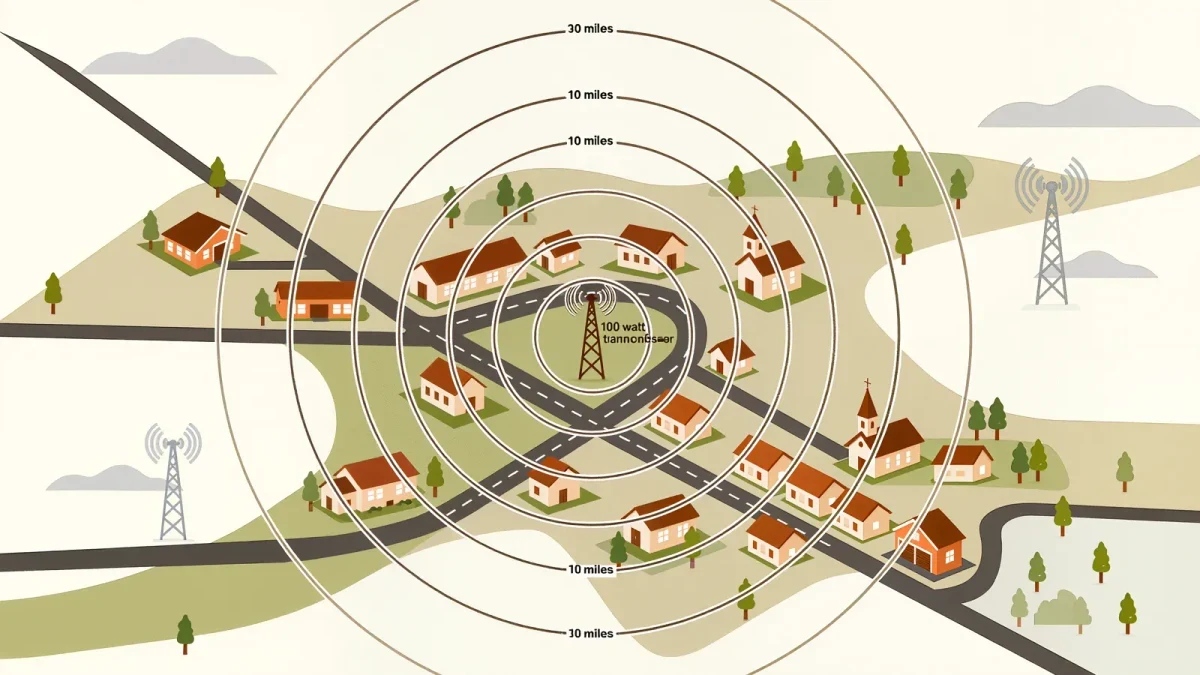
LPFM transmitters run at 100 watts or less, cover a radius of a few miles, and carry local voices the big networks will never program.

Decades after FM's commercial giants took over the dial, student-run stations remain the cheapest, fastest way for an unknown band to reach committed listeners.
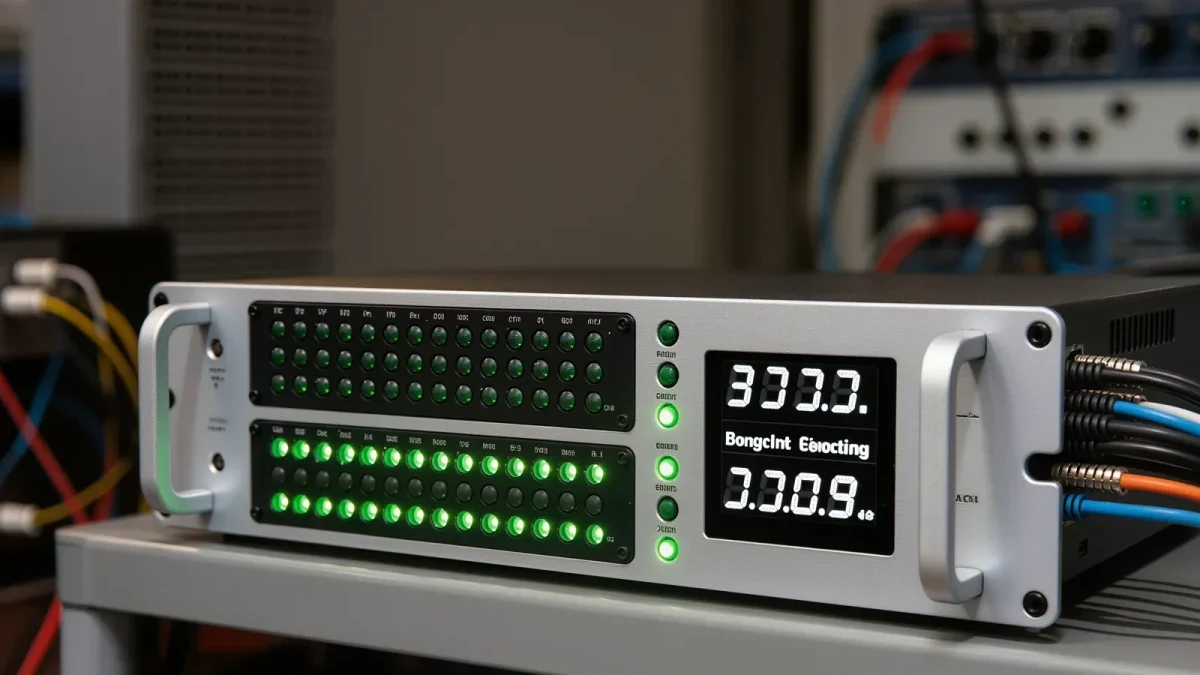
Almost every FM station now also streams its signal online, and that quiet doubling of the dial has changed the economics, the law, and the sound of radio itself.