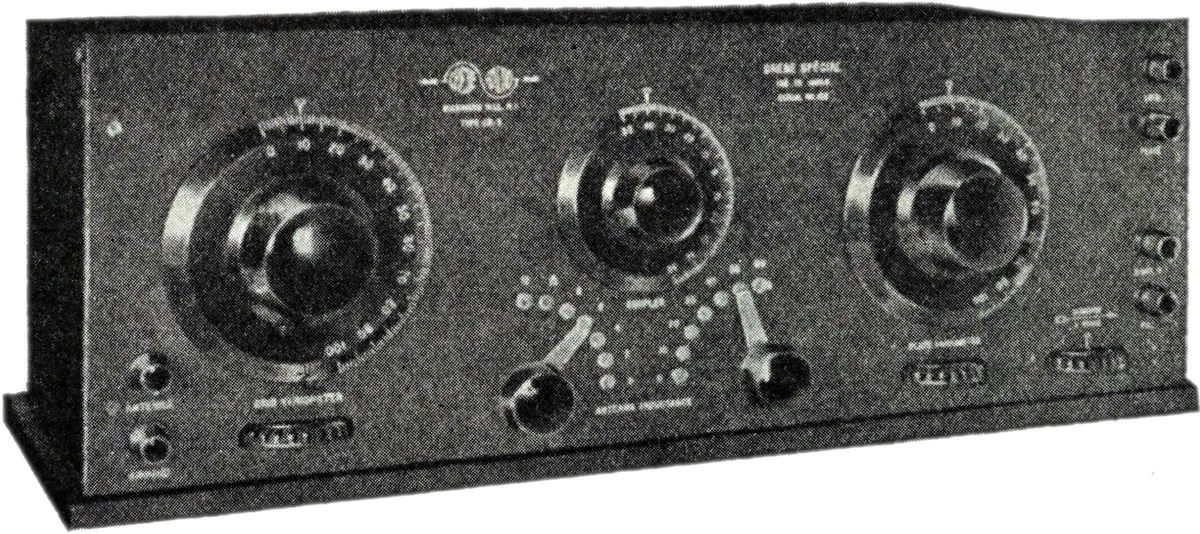
Shortwave radio sounds like a hobby from another century. Yet the bands are still busy. Listeners pull in stations from other continents on simple receivers, often with nothing more than a long wire for an antenna. The hobby never fully went away, and it still rewards anyone willing to tune slowly and listen.
What makes it possible is the sky. Shortwave signals bounce off a charged layer of the upper air, so they can travel far past the horizon. That one fact built a global listening habit that survives to this day.
What the Shortwave Bands Are
Shortwave radio is radio transmission using radio frequencies in the shortwave bands. There is no single official range, but the bands always include the high frequency band, which runs from 3 to 30 MHz. In plain terms, shortwave sits just above the medium wave band that carries standard AM stations.
These frequencies behave unlike anything on the normal dial. The signal can leave a transmitter, head into the sky, and come back down a continent away. Learning where that signal will land is the core skill of the hobby.
The Skywave Trick That Makes It Work
This is called skywave or skip propagation, and it is the whole secret. One transmitter can reach listeners across oceans, which higher frequencies cannot manage, since they travel in straight lines and stop at the visual horizon. Conditions shift with the time of day and the seasons, so the same station may come in clearly one hour and vanish the next. Serious listeners learn the bands the way sailors learn tides.
Who Still Listens Today
The audience has changed, but it has not emptied. Other technologies, such as satellite radio and internet radio, have taken over much of the old long-distance audience. Still, shortwave listening remains a niche hobby, with enthusiasts tuning in to fringe and far-off stations. Readers following this should also see Who preserves decades of radio broadcasts, and why it matters.
The band also keeps practical users. Amateur radio hobbyists hold two-way international conversations for hobby, education, and emergency service. Aviation and marine crews rely on long-distance communication, and shortwave is often used by aircraft. Military and diplomatic users keep their place on the bands too.
Why Shortwave Still Matters
The strongest case for shortwave shows up where other systems fail. Shortwave radio is important in war zones, and shortwave broadcasts can be transmitted over thousands of miles from a single transmitter, making it difficult for government authorities to censor them.
No cable, app, or satellite dish is needed. A battery receiver and a wire will do. That independence is why the band survives as a backup for broadcasters and relief agencies, and why it holds a special place for listeners who want news that crosses borders.
What You Can Actually Hear
New listeners are often surprised by the mix. Voice and music broadcasts reach listeners over very large areas, sometimes entire continents or beyond. Amateur operators chat across borders. Long-distance aviation and marine traffic fills other slots on the dial. Some signals arrive clean, some drift in and out, and some fade before you identify them. That hunt is a big part of the appeal.
Conclusion
Shortwave radio survived the internet by holding on to what it alone does well. It crosses borders, it resists censorship, and it works when other systems fail. The audience is smaller than it once was, but the sky is still full of voices. For anyone curious about how far a simple receiver can reach, the bands remain open, and the skip is still out there. This connects to our earlier piece, How radio audience measurement actually works.