Mississippi State's Department of Music runs its annual Music Discovery Day on Nov. 9, and it is the kind of single-day event a student can actually use. High school juniors, seniors and community college students get a full schedule — 8:30 a.m. to 4 p.m. in the Music Building at 124 Hardy Road in Starkville, Miss. — that covers academic programs, scholarships, career paths, live performances and, for seniors and community college students, an on-the-spot scholarship audition, according to WXXV News 25.
The practical headline: registration is free for attendees and one guest, and it happens online. That means a student and a parent can spend a day inside a $21 million music facility, meet faculty face to face and possibly audition for money toward school — without paying an entry fee. The catch is preparation. A day this packed rewards the students who walk in with a plan.
Here is how to get the most out of it, step by step. And if you are weighing music school against other paths, it helps to know how the wider discovery pipeline works — the same departments that train performers also feed college radio, studios and classrooms. For related coverage, see How does a song actually get into college radio rotation?.
Before you go: register and set your goal
Registration is available online, and the event is free for attendees plus one guest, so lock that in first. Then decide what your one big goal for the day is, because the schedule will not let you do everything at the same level.
- If you want scholarship money: high school seniors and community college students may audition for a music scholarship during the event. That is the highest-stakes item on the schedule, and it deserves the most preparation time.
- If you are still exploring: the day is built for that too. Attendees can observe music classes, sit in on faculty and student performances, and talk with faculty members and current students.
- If you are budget-minded: the department's scholarship and career-opportunity information will be presented directly, so bring questions and a way to take notes.
What the day actually looks like
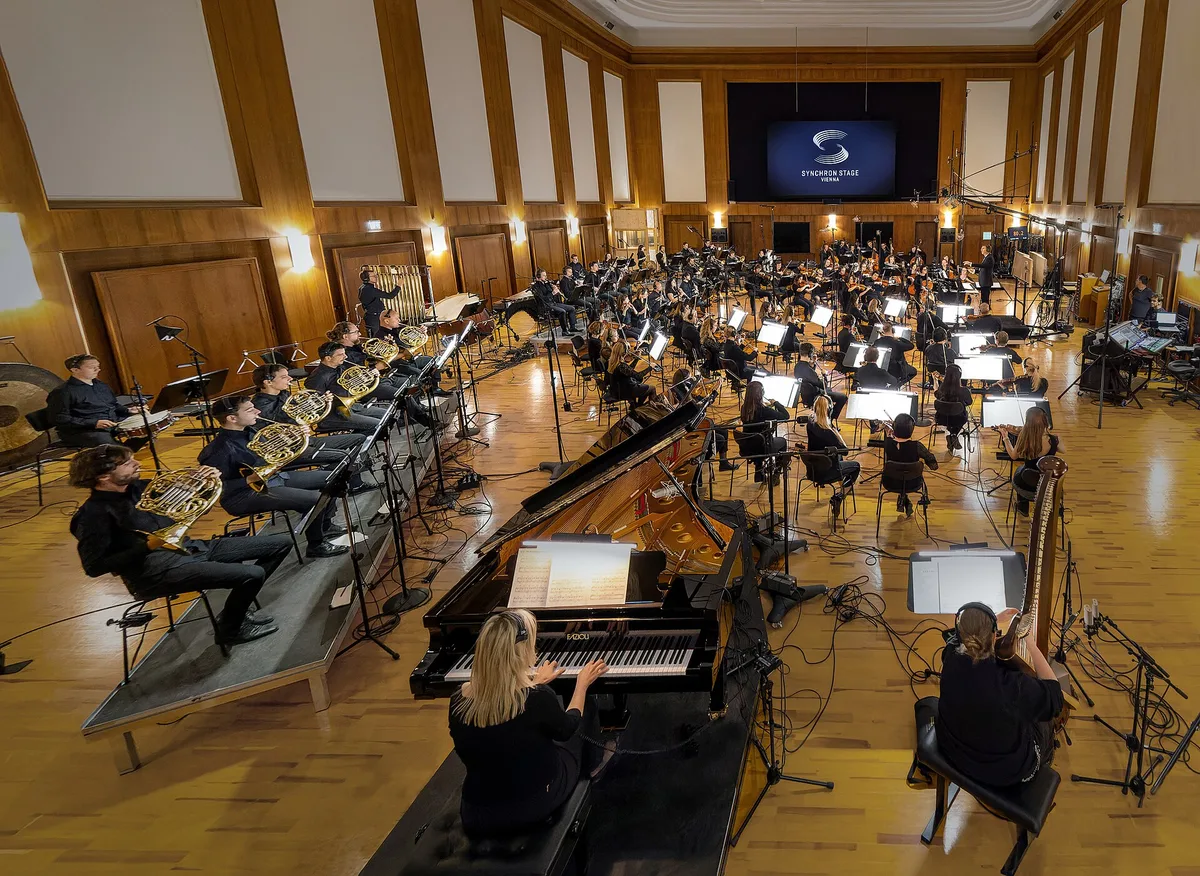
According to WXXV's report, the event runs 8:30 a.m. to 4 p.m. in the Music Building at 124 Hardy Road. That is a long day, so plan for it: comfortable shoes, water, and a notebook. The building itself is part of the pitch — Mississippi State is designated an All-Steinway School, and the department sits in a $21 million facility with soundproof practice rooms, a high-tech recording studio, an acoustically advanced lecture-recital hall, and more than $3.5 million in Steinway pianos.
Use the facility to your advantage. If you are a pianist, pay attention to the instruments you hear in the recital hall. If you are curious about production, the recording studio is worth asking about — how it is booked, who runs it, what students get to do in it. Those are the details a brochure will not settle but a faculty member can.
The audition: who is eligible and how to prepare
The audition option applies specifically to high school seniors and community college students. If that is you, treat the day like an audition day, not a field trip.
- Know your material cold. You will be playing or singing for faculty who teach this material every day.
- Bring whatever your instrument requires — sticks, reeds, cables, a tuner — since the department is not advertising a backline service for visitors.
- Warm up early. With a 4 p.m. end time and a full schedule, there may not be a generous window between arrival and playing.
- Ask the obvious questions anyway: what the scholarship covers, what the department expects of recipients, what the next step is after the event.
For juniors and younger community college students who cannot audition this round, the day still has value — you will see exactly what the audition looks like before it is your turn.
Questions worth asking faculty and current students
The department offers undergraduate degrees in music, music education and music performance, plus a master's degree in music education. That range tells you the department trains performers, teachers and scholars, and the people in the room can explain the difference better than any website. A few questions that get real answers:
- How do the music education and performance tracks diverge after year one?
- What do current students wish they had known before enrolling?
- How does the recording studio figure into coursework?
- Where do graduates actually end up working?
Current students are the most underused resource at events like this. Faculty can describe the curriculum; students can describe the reality.
Why events like this matter for where music is headed
It is easy to file a university open house under routine music news, but the discovery side of the industry starts in rooms like this one. Students who train in music education and performance often become the teachers, band directors and station advisors who keep local music culture alive — the same ecosystem that keeps college radio and community programming running. Our recent coverage of the 2026 college radio conference season makes the same point from a different angle: the pipeline of people who care about music enough to program it, teach it and champion it has to be built somewhere. This connects to our earlier piece, The 2026 college radio conference season keeps student broadcasting loud.
The economics matter too. A free event with a scholarship audition attached lowers the barrier for students who might otherwise assume a music degree is out of reach. That is worth more than any brochure.
If you go: the short checklist
- Register online in advance; attendance is free for you and one guest.
- Arrive ready for an 8:30 a.m. start at the Music Building, 124 Hardy Road, Starkville, Miss.
- Seniors and community college students: prepare audition material and bring your own equipment.
- Everyone else: plan which classes and performances to observe, and write questions down.
- Follow up afterward — the department points questions about Music Discovery Day to Assistant Professor Jenna Klein at jmk734@msstate.edu.
One day will not decide a career. But a free day with faculty access, a look inside a $21 million facility and a shot at a scholarship is a genuinely efficient way to find out whether a music degree is the right next step — and to do it before the application deadline forces the question.