Topic
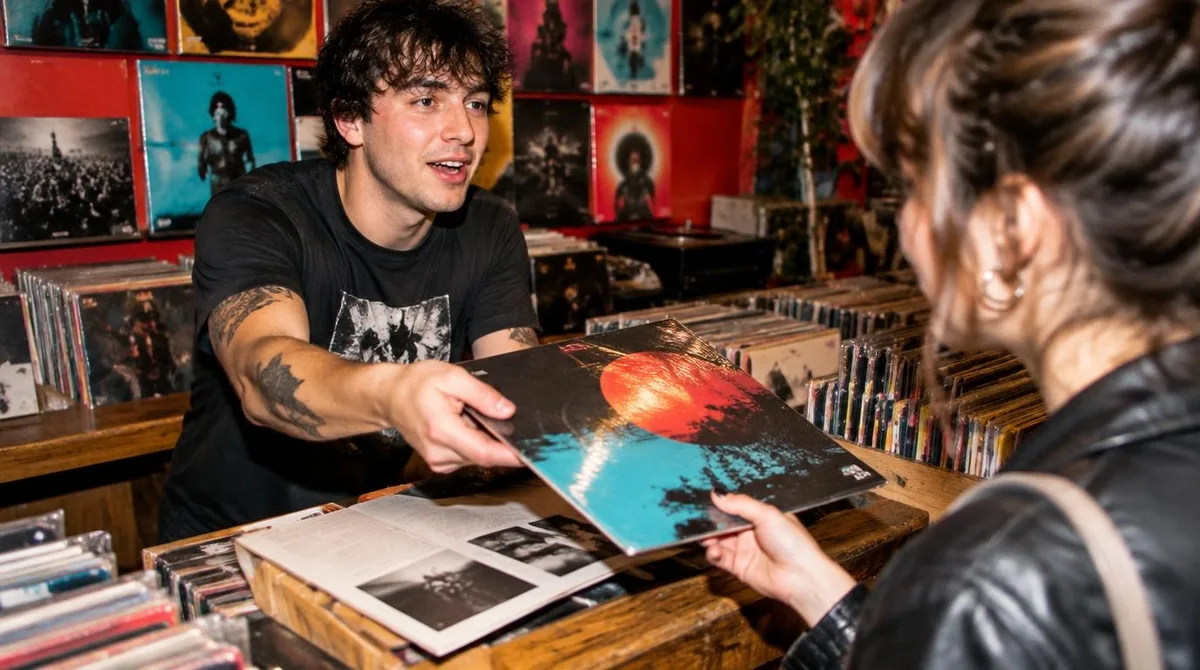
How to Find New Music: The Best Ways to Find New Music Without an Algorithm
Record shops, community radio, liner notes and the people behind them still break more artists than any feed. Here is how to use them.
Record shops, community radio, liner notes and the people behind them still break more artists than any feed. Here is how to use them.

The daily mechanics behind the most-watched hours on the schedule.
The free November 9 event in Starkville bundles faculty access, class visits and scholarship auditions into one day — here's how to work it.

A friendly entry map for jazz, from the modal calm of Kind of Blue to the rhythmic puzzles of Time Out, built on documented records rather than homework.
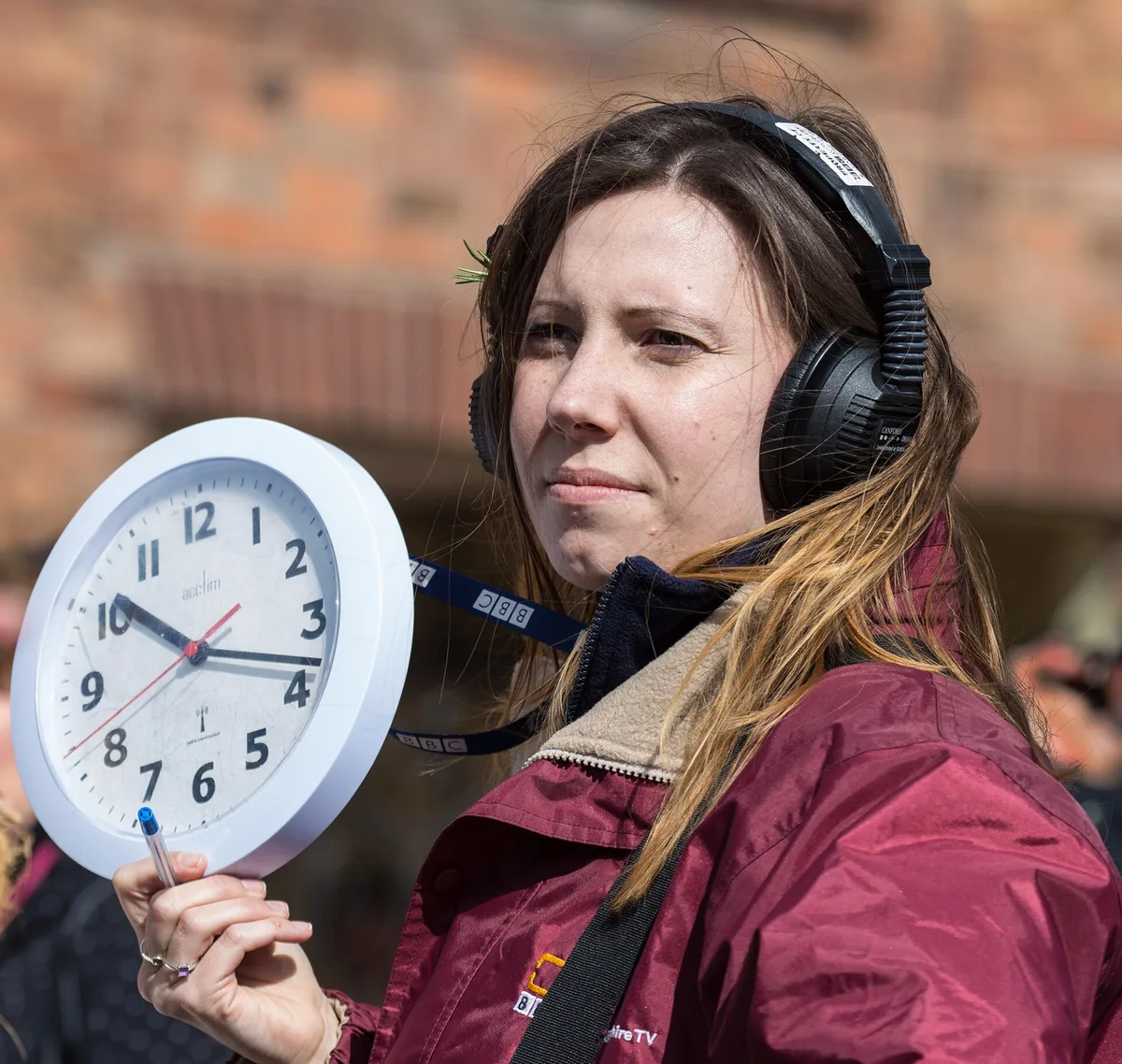
A live radio broadcast sounds effortless from the outside. Inside the studio it is a tight technical routine built on cue sheets, disciplined signal chains, and layered backups against dead air.
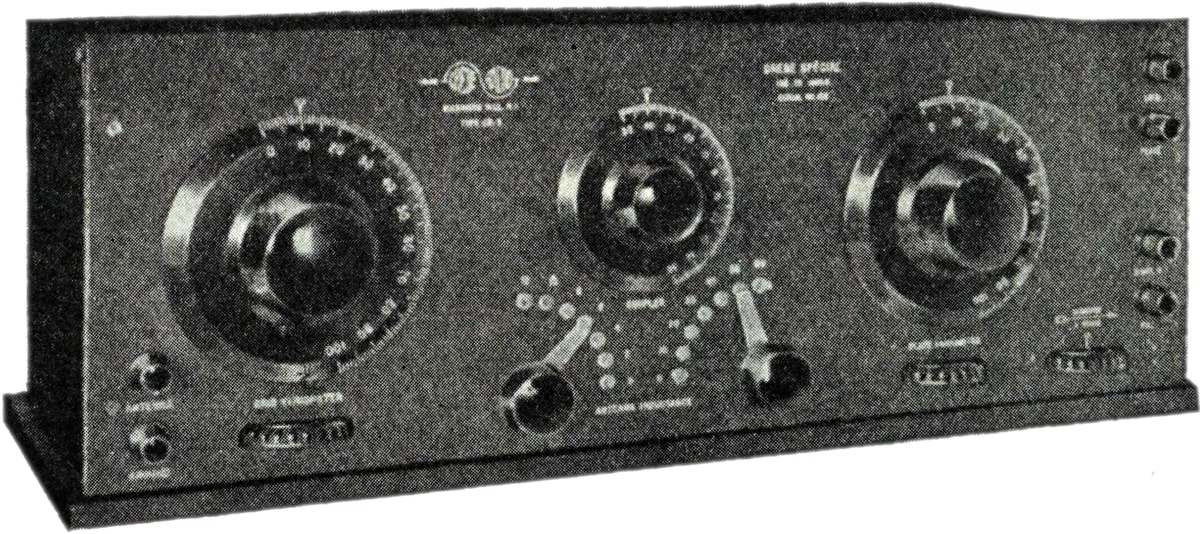
Shortwave signals bounce off the ionosphere, so one transmitter can reach listeners an ocean away. The audience is smaller now, but hobbyists, aviators, and people in war zones still depend on the bands.
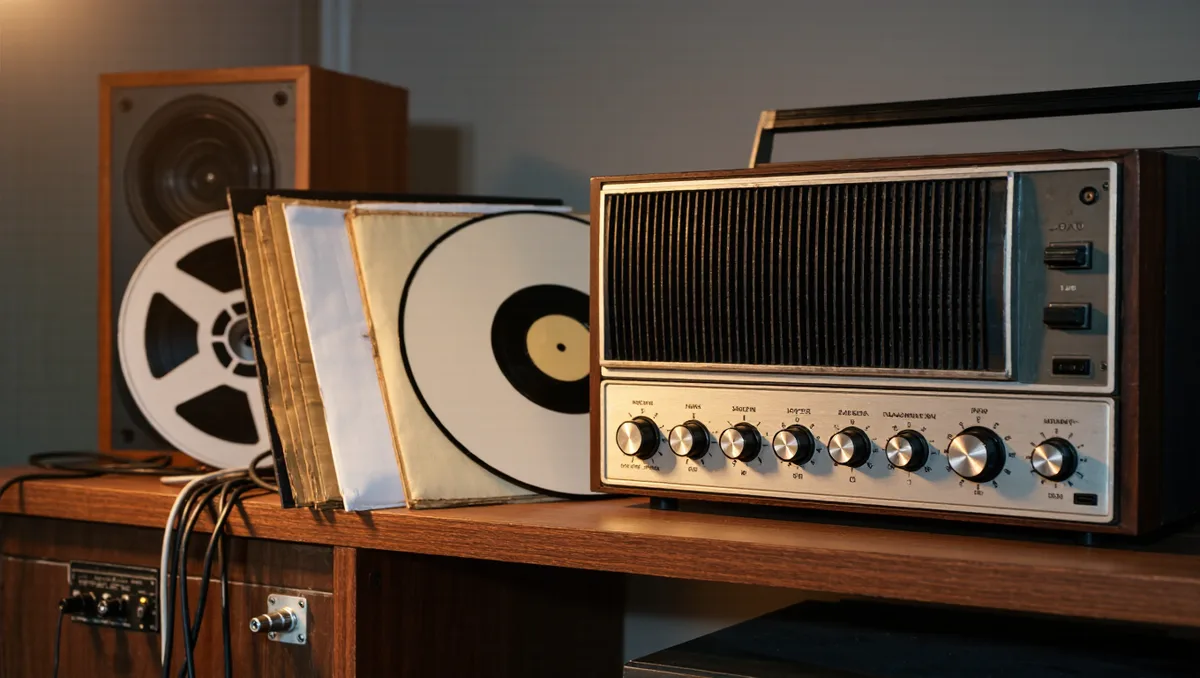
Student-run, lightly funded and stubbornly curious, college radio stations remain where independent music meets its first real audience.
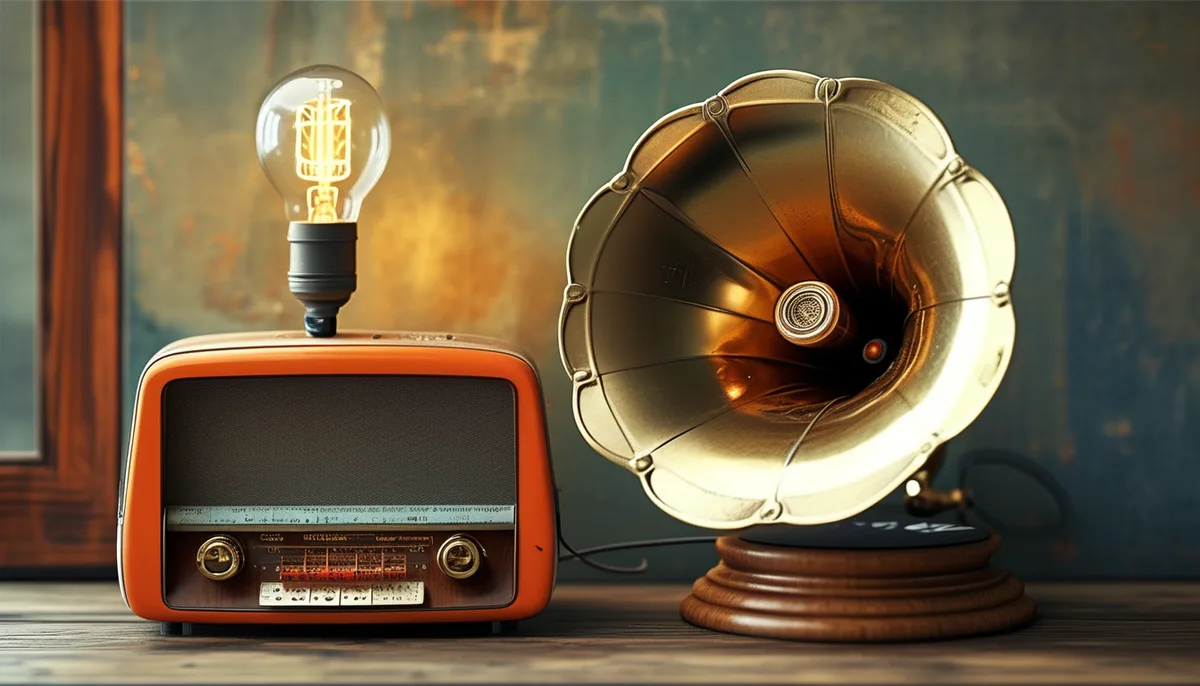
A station's format is its promise to listeners — here's how programmers pick one, defend it, and bend it for the specialty shows that keep things interesting.
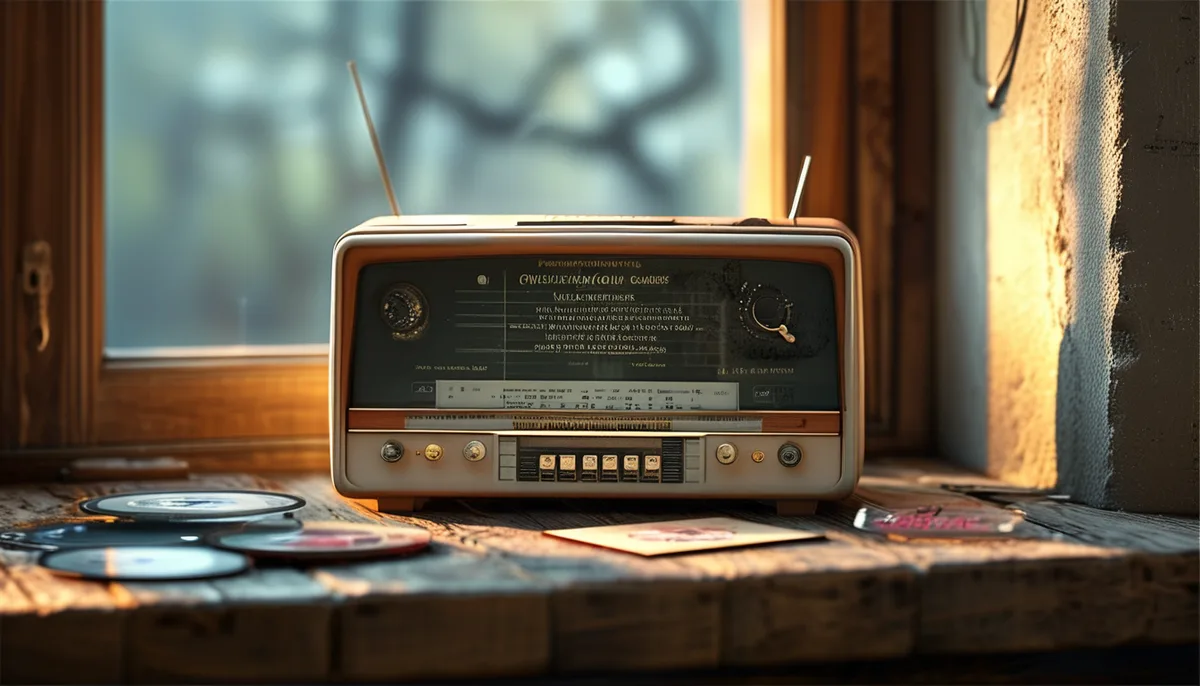
The pitch to a college or community station looks nothing like the campaign for a commercial chart hit. Here is how the quieter version works.