Topic
Why Album Sequencing Matters More Than Shuffle Suggests
An album is built to be heard in order. Track placement controls pacing, contrast, and payoff, and shuffle quietly deletes the part of the art you cannot skip past.
An album is built to be heard in order. Track placement controls pacing, contrast, and payoff, and shuffle quietly deletes the part of the art you cannot skip past.
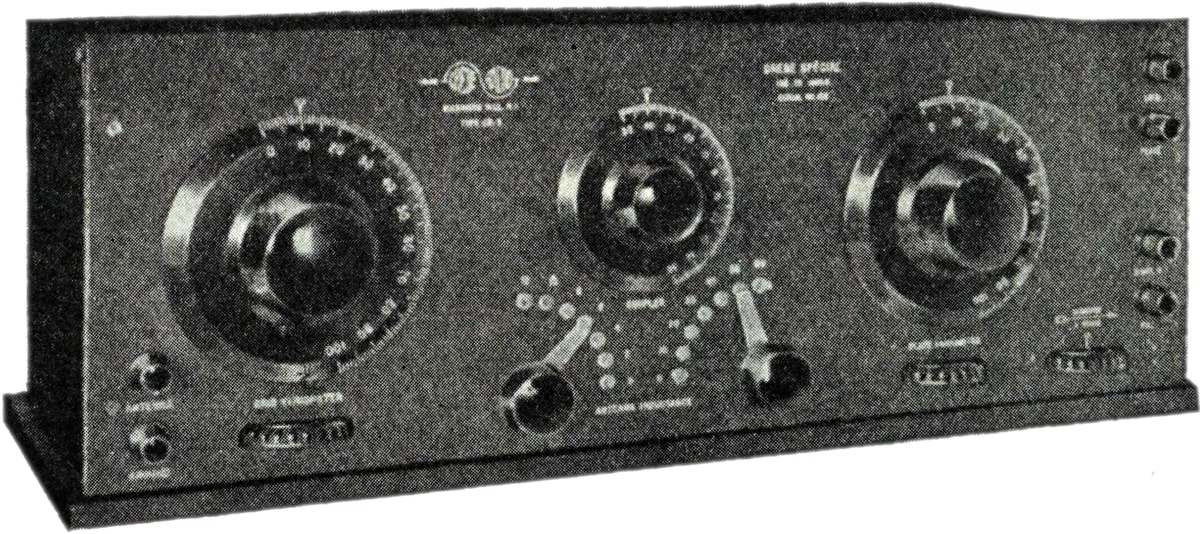
Shortwave signals bounce off the ionosphere, so one transmitter can reach listeners an ocean away. The audience is smaller now, but hobbyists, aviators, and people in war zones still depend on the bands.
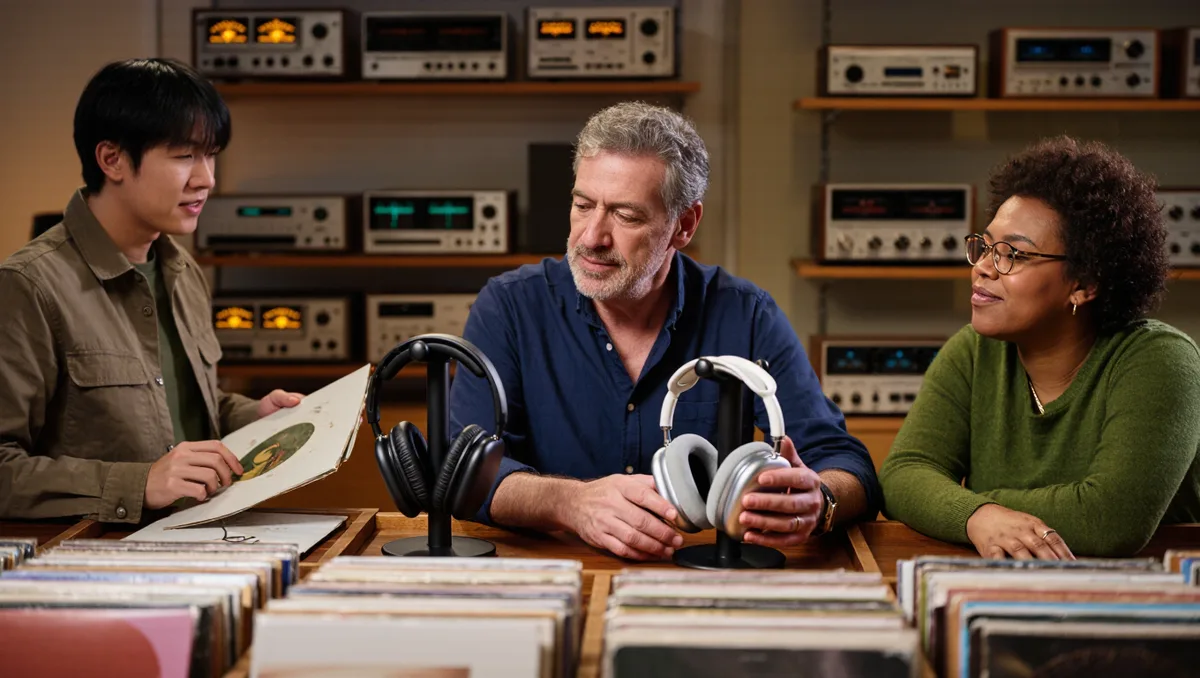
A framework for evaluating comfort, frequency response, and value claims — so you can read any headphone review with a critical ear.

Near-miss sessions are part of how records get made. Here is why the best players hesitate, and what it costs both ways.

The album tracks and flipsides that never made the radio — and why the people who love a band love them most.

A cover earns its place when it argues with the original — not when it copies it.
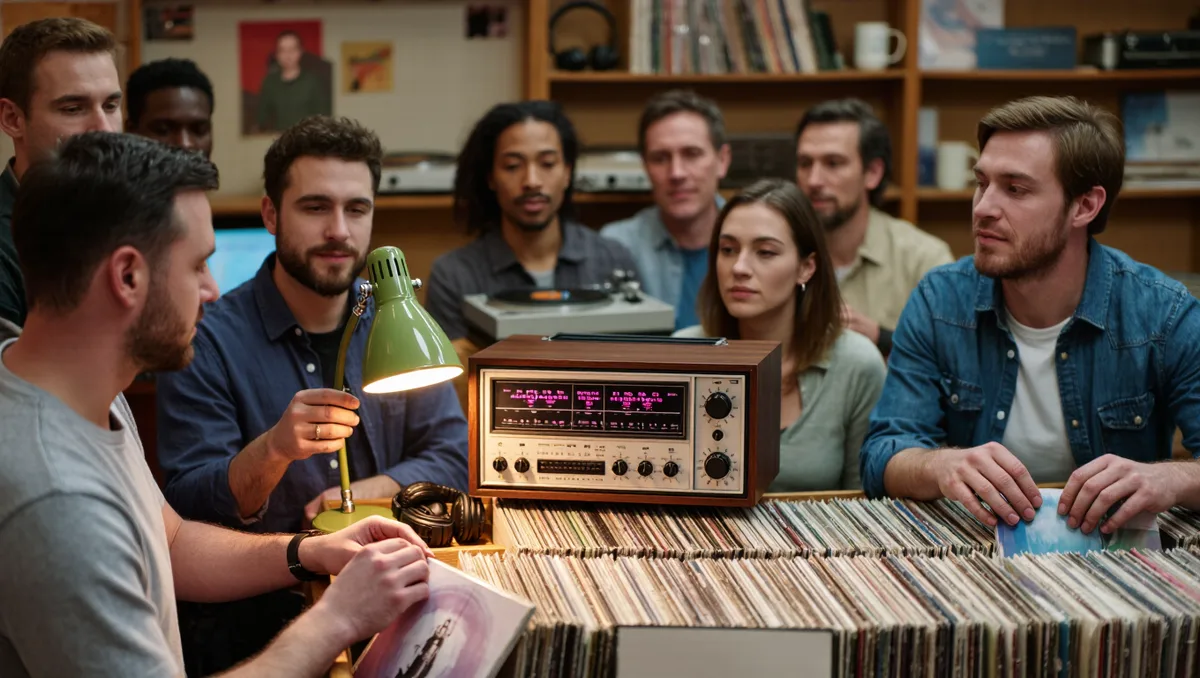
A guide to the criteria behind a review, what a score can and cannot tell you, and how to read past the number.
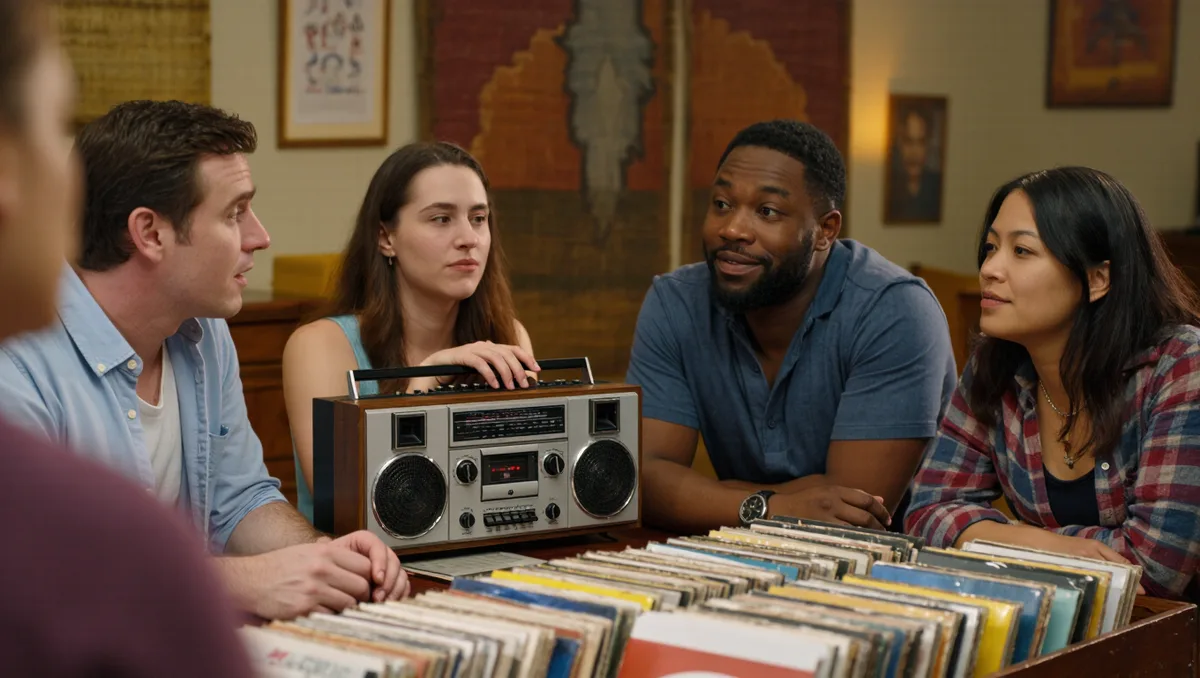
Creative control, money and reach work differently on each side of the signing line. Here is the honest breakdown.
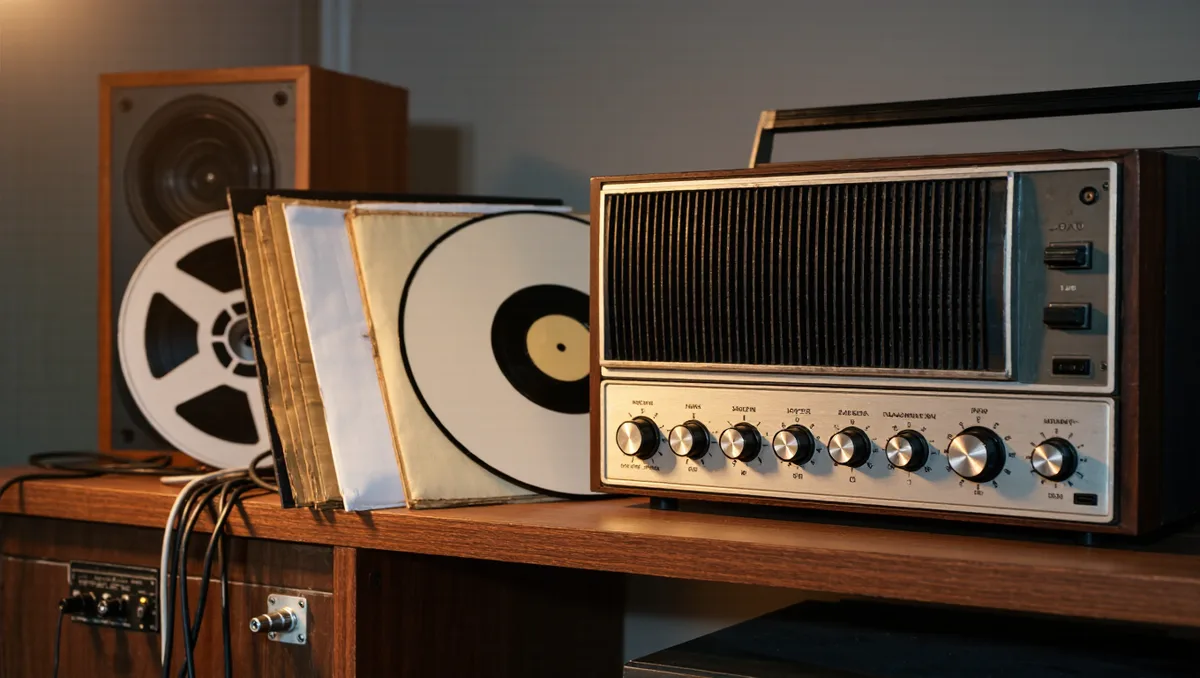
Student-run, lightly funded and stubbornly curious, college radio stations remain where independent music meets its first real audience.
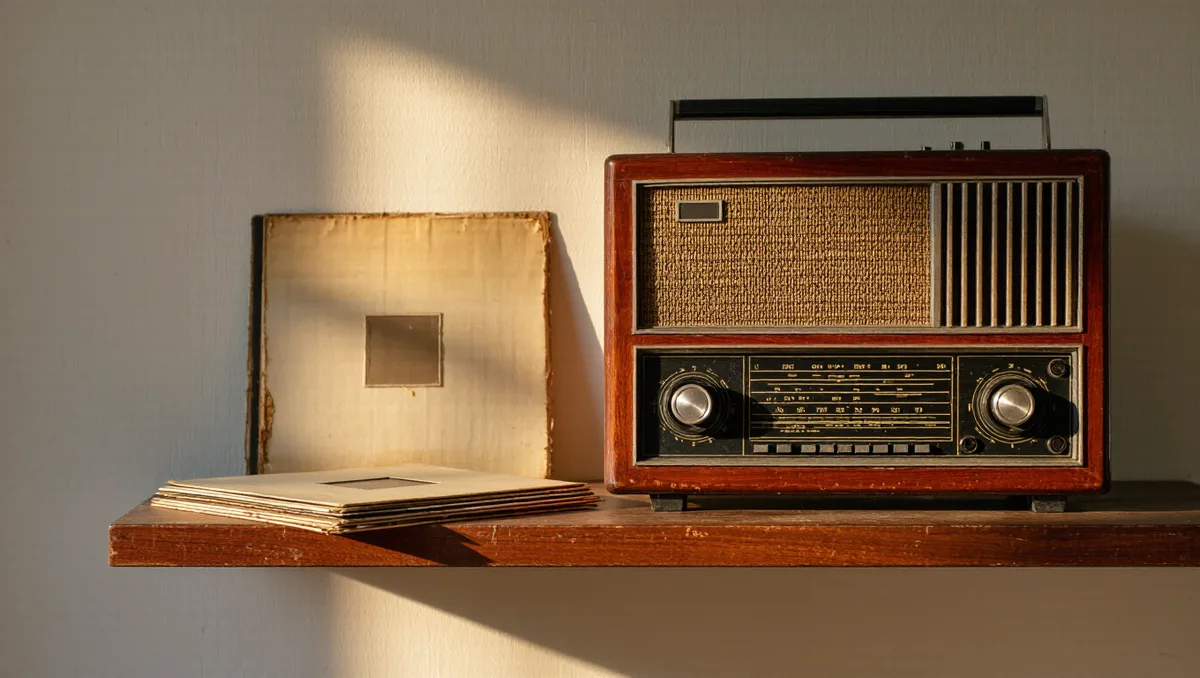
Compression, EQ, reverb and layering are choices, not accidents. Here is how to train your ears to notice them.