Radio
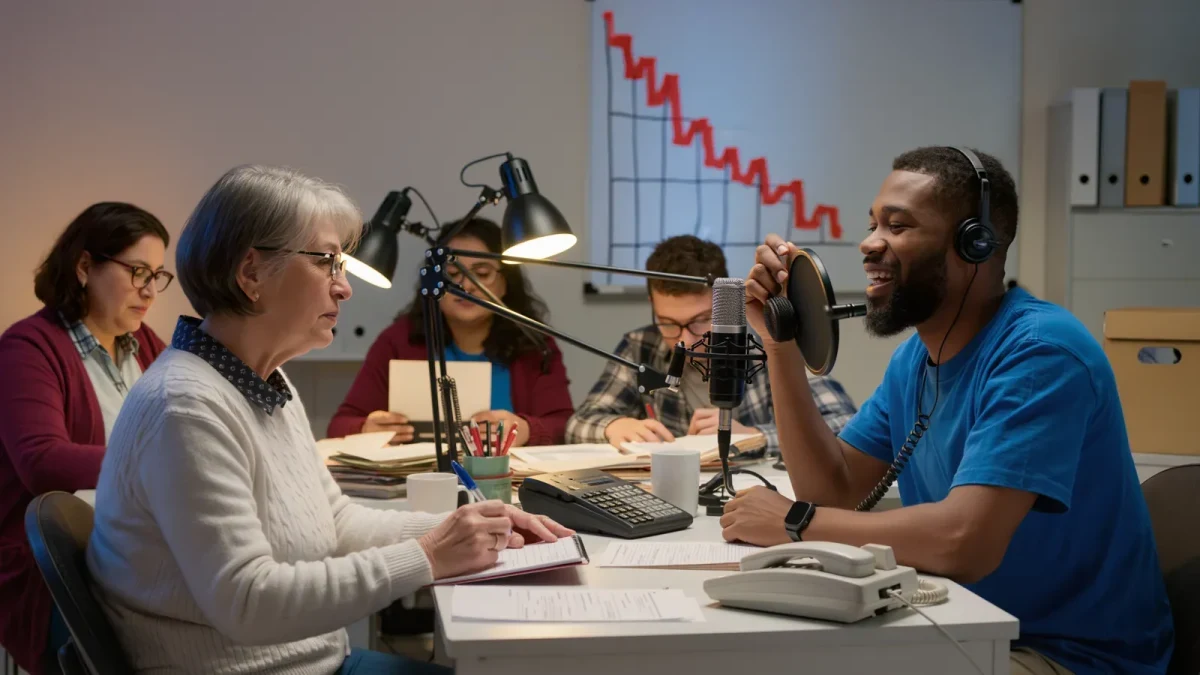
How community radio stations fund themselves without ads
Pledge drives, underwriting, and volunteer labor keep noncommercial stations alive — here is how the model actually works.
Community stations, specialist shows and internet streams: who is broadcasting, what they play, and how a live hour is assembled and held together.
Pledge drives, underwriting, and volunteer labor keep noncommercial stations alive — here is how the model actually works.
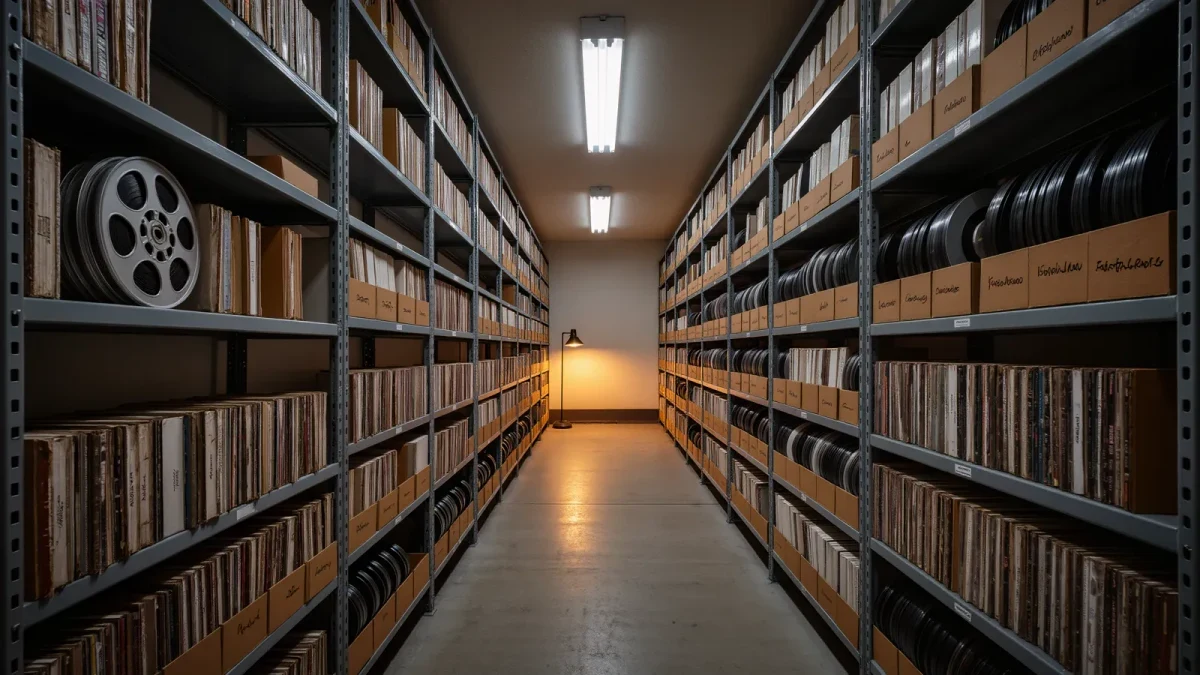
Most of radio history was broadcast once and erased — the institutions racing to save what remains are libraries, national archives, and volunteers.
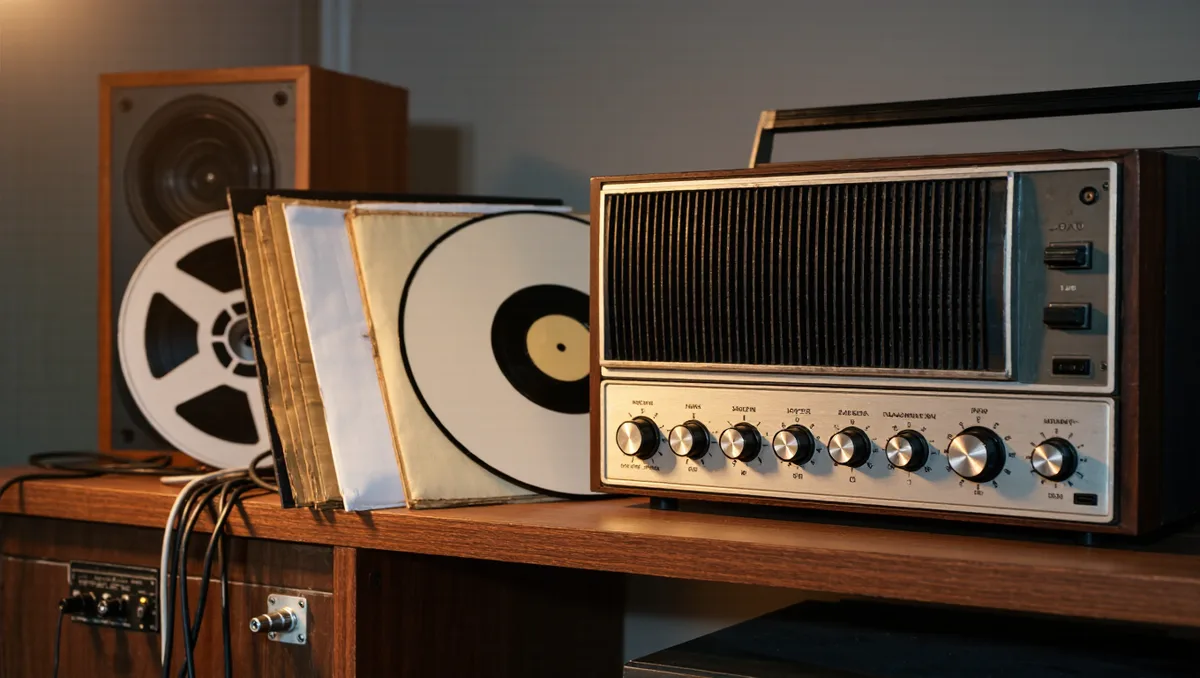
Student-run, lightly funded and stubbornly curious, college radio stations remain where independent music meets its first real audience.
A station's format is its promise to listeners — here's how programmers pick one, defend it, and bend it for the specialty shows that keep things interesting.
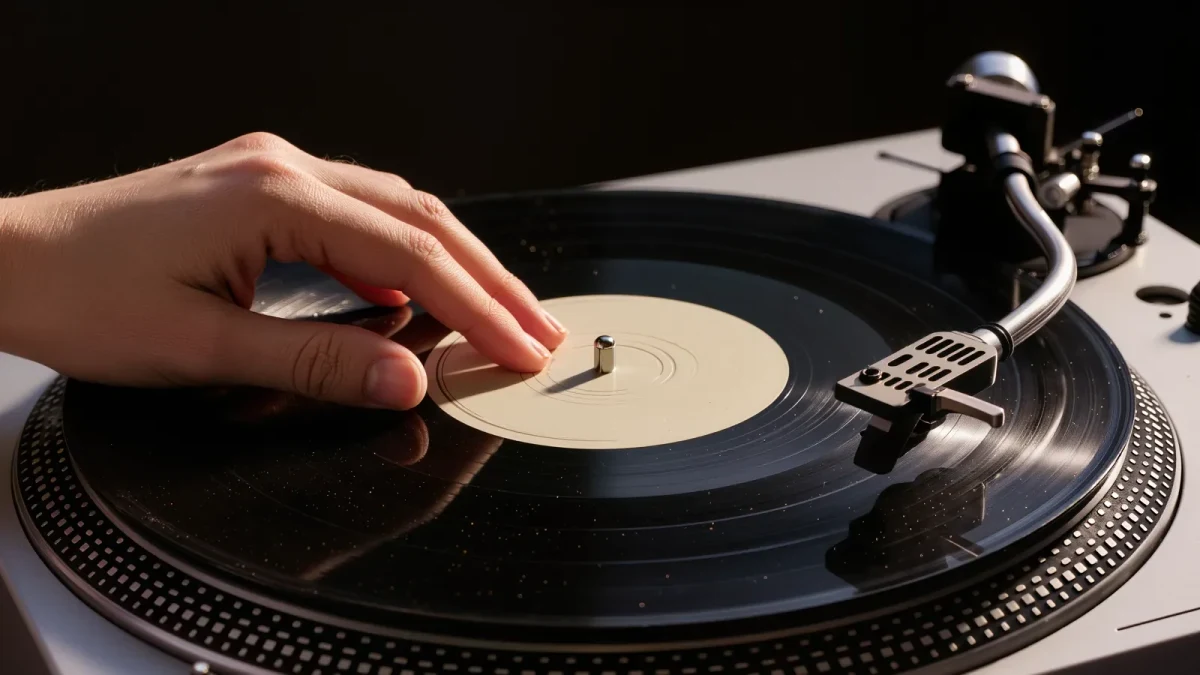
Slip mats, cue burn, and the back-cue muscle memory that radio hosts have used since the 1940s — a technical primer on spinning records live.
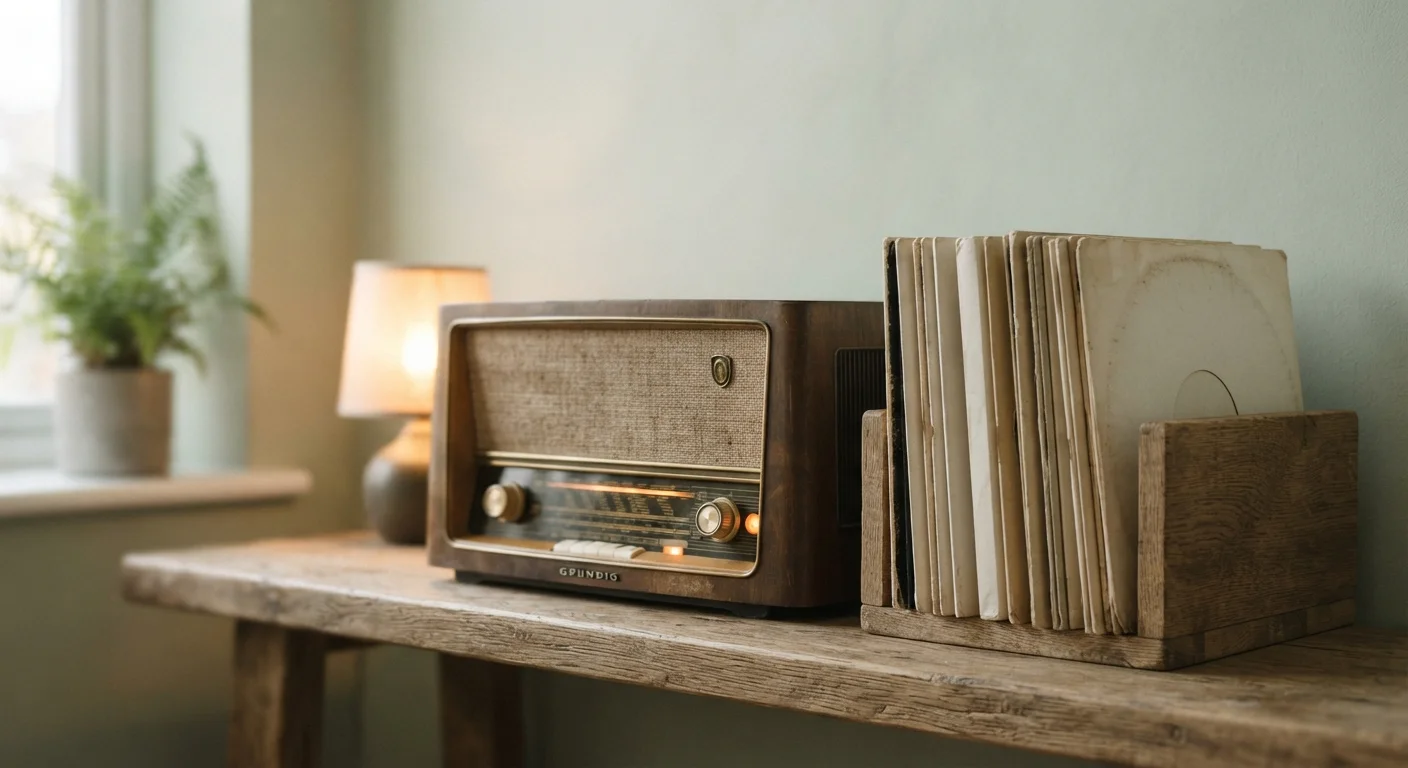
No playlist algorithm, no corporate gatekeeper — just a rotating staff of students with taste and nothing to lose, charting on their own paper.