Judging a vinyl pressing before buying comes down to three checkable things: who cut and pressed it (the plant and mastering engineer, increasingly printed on the sleeve or findable in discographic databases), what the master source was (analog tape, high-resolution digital, or a lossy file — yes, some vinyl is cut from compressed sources), and how the physical disc behaves in hand — flat, centered, quiet. Collectors and mastering engineers have documented these checks for years; none require special equipment beyond eyes, ears, and a willingness to look up the record's runout etchings, where plants and engineers traditionally sign their work.
AA Digital Sound publishes information, not purchasing advice. This guide covers the documented mechanics of pressing quality and the inspection habits the collecting community shares.
What actually varies between pressings?
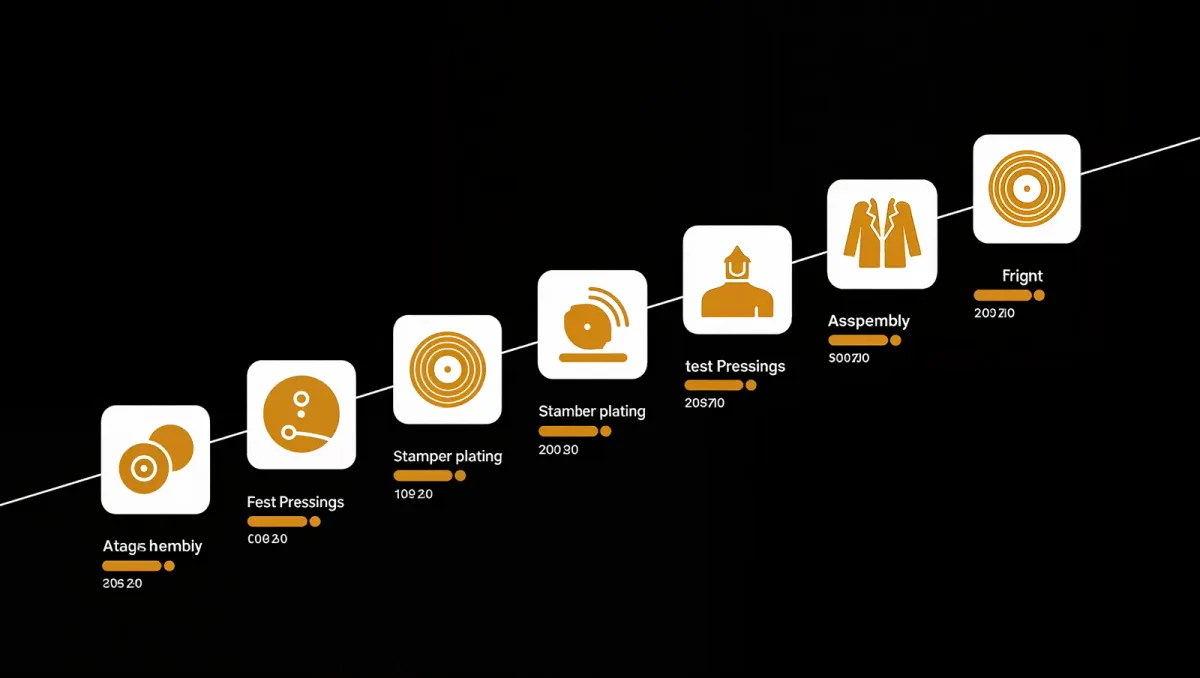
Everything downstream of the master tape. Vinyl begins as polyvinyl chloride pellets pressed between two stampers — metal negatives made from the cut lacquer. Quality varies at each documented stage. The cutting engineer decides level, spacing between grooves, and how much bass the RIAA-standard curve must handle; hotter cuts with tighter spacing can sound vivid but track poorly. The plating and stamper process wears: early pressings from fresh stampers are quieter than late ones, which is why serious labels number their pressings. The pressing itself — temperature, cycle time, compound purity — determines flatness, centering, and surface noise. A modern well-run plant achieves consistently quiet discs; a rushed one ships warped, off-center records even from famous catalogs.
What can you check before buying?
More than most buyers realize. The record's paper trail tells a story before any shrink-wrap opens.
- The plant and date. Discographic databases list pressing plants and variants for many releases; community-edited details flag known-bad runs. Reissues pressed during vinyl's capacity crunch — when plants ran around the clock in the late 2010s — drew recurring quality complaints.
- The master source. Labels that cut from original analog tapes or high-resolution digital masters usually say so. A release cut from a lossy source is documented to exist and cannot be undone by any press.
- The weight claim. Heavier vinyl — 180-gram and up — resists warping and feels premium, but weight itself does not improve sound; a flat 140-gram disc from good stampers beats a heavy one from tired tooling.
- The pressing count. «Limited» runs of many thousands are common; the audiophile logic of early-stamper pressings applies mainly to small, carefully supervised runs.
What can you check in hand?
Four physical inspections, all documented collector practice.
- Flatness. Hold the disc edge-on at eye level against light; a gentle dish warp often plays fine, a strong one mistracks.
- Centering. With the record spinning (or sighting the spindle hole), the label should not wobble; an off-center hole makes pitch drift audibly on sustained piano notes.
- The groove surface. Tilt to the light: non-fill — a pressing defect where vinyl fails to fill the groove — shows as dull streaked patches and produces a distinctive raspy distortion.
- Visual noise. Scuffs and hairlines often play quieter than they look; deep scratches click. Sleeve grading standards used by record stores formalize this scale from Mint down.
Why are some reissues quieter than originals?
Because vinyl's documented golden condition is quiet vinyl, not old vinyl. Original pressings were cut early from fresh stampers, but decades of handling wear them; a careful modern reissue, cut from a good source by an attentive engineer at a quality plant, can measure and sound cleaner than a tired original. The reverse also happens — reissues cut from the wrong tape generation, or pressed at an overloaded plant, disappointed enough buyers that collector communities maintain informal lists of which reissues to trust. Neither generalization substitutes for checking the specific edition.
Do store returns and test plays matter?
Practically, they are part of pressing-quality culture. Many record shops allow in-store play of a sealed copy's clean-looking sibling or accept returns of defective new pressings — warped, off-center, or non-fill discs are manufacturing faults, not wear, and reputable sellers know the difference. Mail-order buyers rely on return windows; documented collector practice is to open and inspect new records promptly rather than shelf them sealed, because a defect discovered months later is a defect you own. The community norm of reporting bad runs in public databases is the same consumer protection, crowdsourced.
What about colored and picture discs?
Black vinyl's carbon filler makes it slightly more robust; transparent and colored compounds historically measure with marginally more surface noise, and picture discs — printed paper under a thin vinyl skin — are documented as the noisiest format, bought for display more than listening. The differences are real but small at the top end of pressing quality; a well-pressed colored disc from a good plant outperforms a poor black one.
How much does cleaning help?
A great deal of apparent «pressing noise» is debris, including mold-release compounds left from manufacture. Wet cleaning — documented practice ranges from simple brushes to vacuum machines — measurably reduces surface noise, and a clean budget pressing can beat a dusty premium one. Before blaming the plant, clean the record; before buying again, check the runout. The paper trail plus the physical checks above will prevent most disappointment before money changes hands.