The notable label signings of 2026 form a pattern rather than a wave: legacy acts finding new homes at artist-friendly companies, distribution deals replacing traditional contracts, and capital flowing into catalog rather than development. The year's biggest single indicator came on January 20, 2026, when Universal Music Group — the label home of Taylor Swift — struck a multi-year licensing deal with China's NetEase Cloud Music, per Reuters, opening a major streaming market to UMG's roster.
Which established acts changed labels in 2026?
The headline name is Jamiroquai: the British band, among the best-selling acts of the past three decades, signed a new global recording deal with BMG, per Record of the Day's deal coverage. Per Billboard's roundup of new label partnerships, Bebe Rexha moved to EMPIRE and Death Cab for Cutie signed with a new label home, alongside newer names including DC the Don and Violet Grohl. On the dance side, the influential drum & bass imprint Metalheadz struck a global distribution deal with Labelworx covering catalog and new releases, per New Industry Focus.
What kind of money is moving?
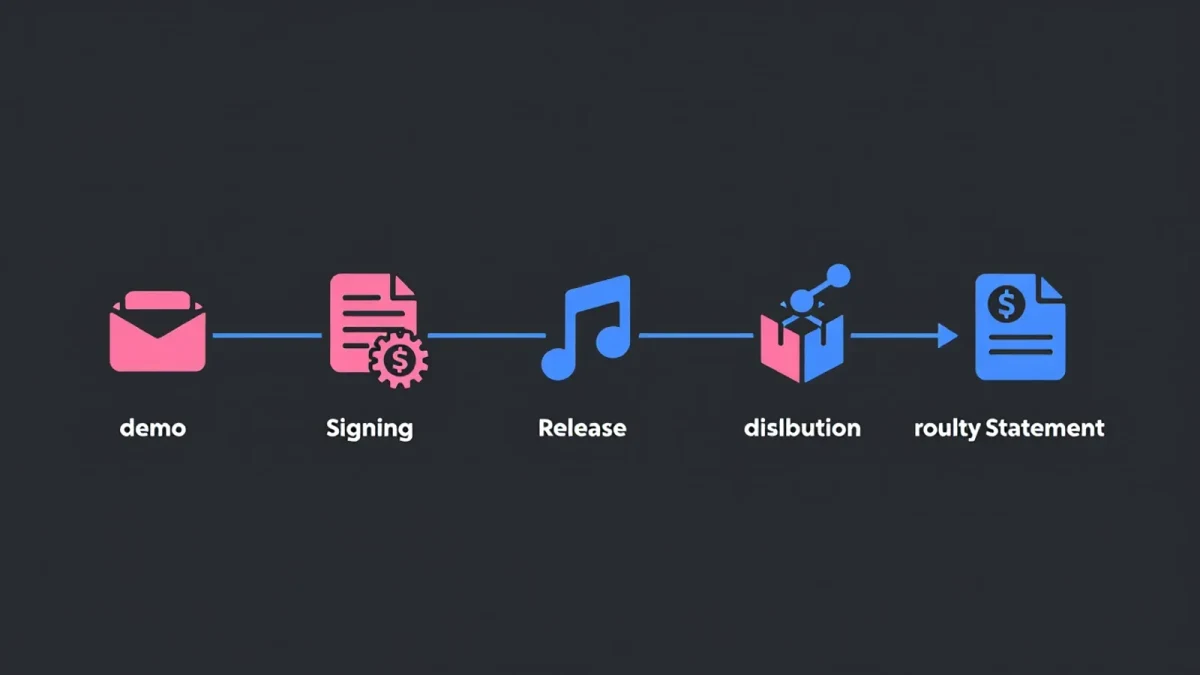
The clearest trend is structured capital chasing proven assets. Per Billboard's 2026 deals coverage, Firebird Music raised a $750 million fund aimed at catalog acquisition, while primary-wave style buyers kept paying nine figures for established songbooks — the subject of our companion look at 2026's catalog market. Direct artist outreach now accounts for roughly a third of new signings, per industry guides published in 2026, which means A&R departments are listening to inbound demos more than ever even as cheque sizes concentrate on fewer, safer bets.
How do signings reach listeners now?
The route from signature to speaker has thinned. A distribution-led label like EMPIRE can put a single on playlists within weeks; a BMG recording deal comes with the publisher's own infrastructure attached, merging the recording and publishing sides that once required separate companies. For discovery culture, the practical effect is that a band's label choice in 2026 signals less about sound and more about data, marketing muscle, and how much of the master the artist keeps.
Why does any of this matter for a listener?
Because signings are the earliest visible sentence in a record's story. When a college-radio favorite lands at an independent with distribution muscle, the ceiling changes; when a legacy act moves to an artist-services company, the catalog stays in print and the reissues keep coming. The 2026 class suggests the industry is splitting into capital that buys the past and deals that finance the present — and listeners hear the difference in what gets pressed, playlisted, and toured next year.