The artist catalog sale that opened 2026's market was Britney Spears: per Reuters on February 11, 2026, the pop star sold rights to her music catalog to the independent publisher Primary Wave, in a deal reported at roughly $200 million by multiple outlets including the BBC — the latest marquee name to convert a songbook into a single nine-figure payment.
What did the Spears deal cover?
Per Reuters and subsequent trade coverage, the agreement covers the catalog behind hits including "…Baby One More Time" and "Oops!… I Did It Again," with the exact scope of additional rights varying across reports. The transaction was reported as completed December 30, 2025, with public confirmation arriving in the second week of February 2026.
Who else is buying?
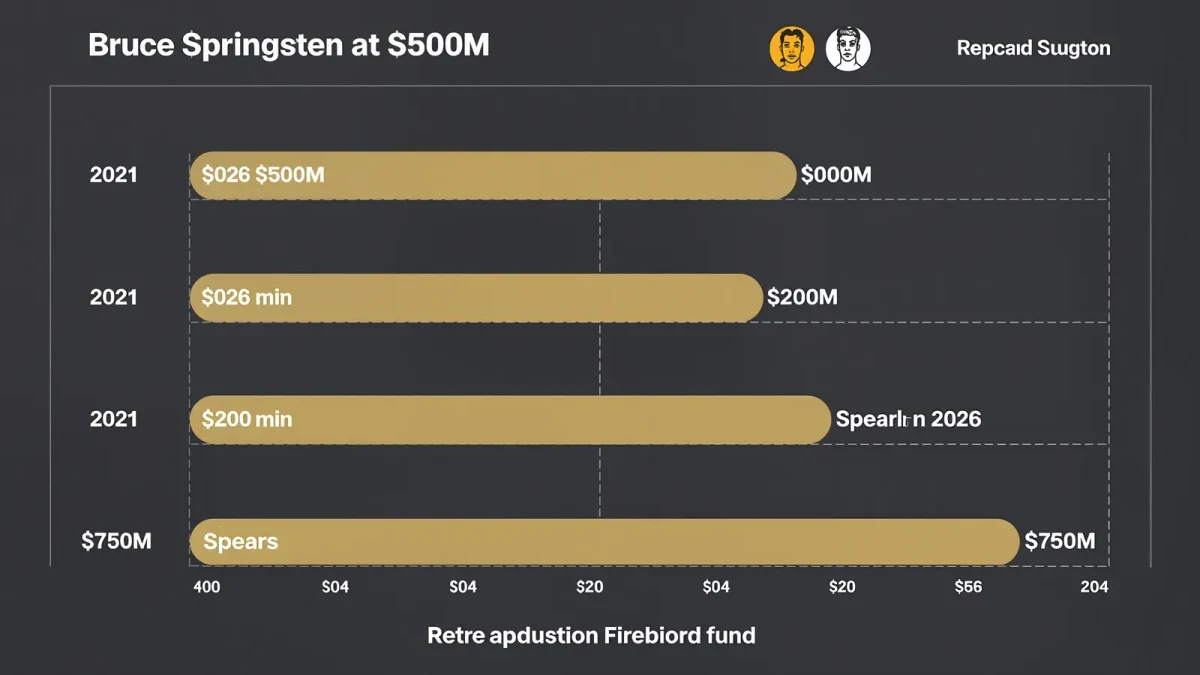
The buyer side keeps professionalizing. Per Billboard's 2026 deals coverage, Firebird Music raised a $750 million fund dedicated to catalog acquisition, adding structured capital to a field where Primary Wave, Shamrock Capital, and the majors' own divisions have spent years consolidating songbooks. The reference prices remain the era-defining deals that started the boom — Bob Dylan's publishing sale reported in the hundreds of millions, Bruce Springsteen's masters-plus-publishing sale to Sony reported near $500 million in 2021.
Why it matters
Catalog sales decide who profits from the music discovery loop: every film sync, playlist placement, and vinyl reissue of a classic album now routes through an owner who may never have met the artist. For listeners the change is invisible right up until it isn't — a commercial, a reissue campaign, a sudden streaming correction. The 2026 wave suggests the buying window for legacy catalogs is still wide open, and the era's defining recordings are steadily moving from creators to portfolios.