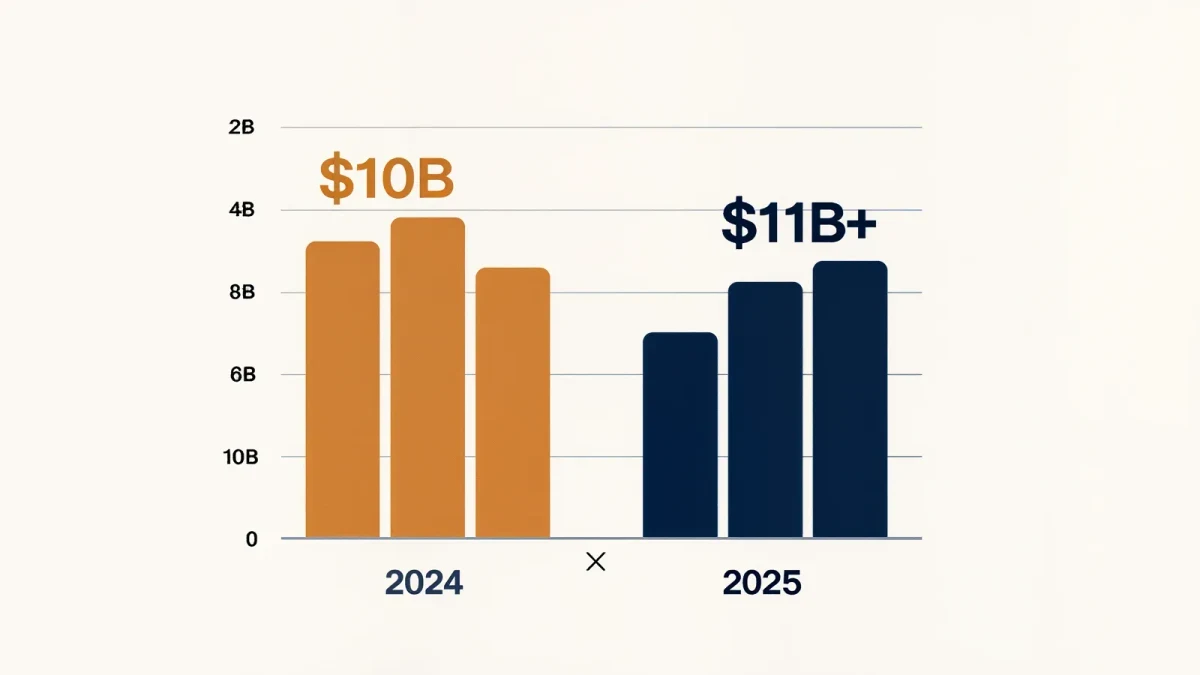
Spotify paid the music industry a record of more than $11 billion in royalties for 2025, the company announced on January 28, 2026, and the streaming payout changes continuing through 2026 build directly on that figure — a bigger pool, distributed under rules that increasingly favor tracks with real audiences. Per Reuters, the 2025 payout was the largest single-year payment Spotify has ever made, up from roughly $10 billion for 2024.
What changed in the payout model?
The mechanics are less dramatic than the headline number. Spotify still routes about two-thirds of its music revenue — subscriptions and advertising combined — into recording and publishing royalties. What has shifted is the fine print: a 1,000-stream annual minimum before a track earns anything, a royalty-redirection policy for fraudulent and functional-noise streams, and the gradual growth of the pool itself, per Spotify's own royalty system documentation. The reclaimed money from noise and fraud is redistributed to working artists rather than kept by the platform.
Who is actually getting paid?
Per Spotify's Loud & Clear update of March 11, 2026, artists earning at least $500,000 a year from the platform now come from 75 countries, up from 66 a year earlier — a slow geographic widening that matters more for discovery culture than any single rate change. In 2024, around 1,500 artists crossed the $1 million mark, per Reuters' reporting of March 12, 2025.
Why it matters
For listeners, the $11 billion year is context, not a verdict. The meaningful signal for anyone who cares about new music is where the growth concentrates: independent labels and self-releasing artists received about half of the 2025 payout, per Spotify's January 2026 announcement — a share that keeps college radio's proven ground, the unsigned and small-label act, economically viable even as per-stream averages hover near a fraction of a cent. The pie is growing; the slices are still unevenly cut.