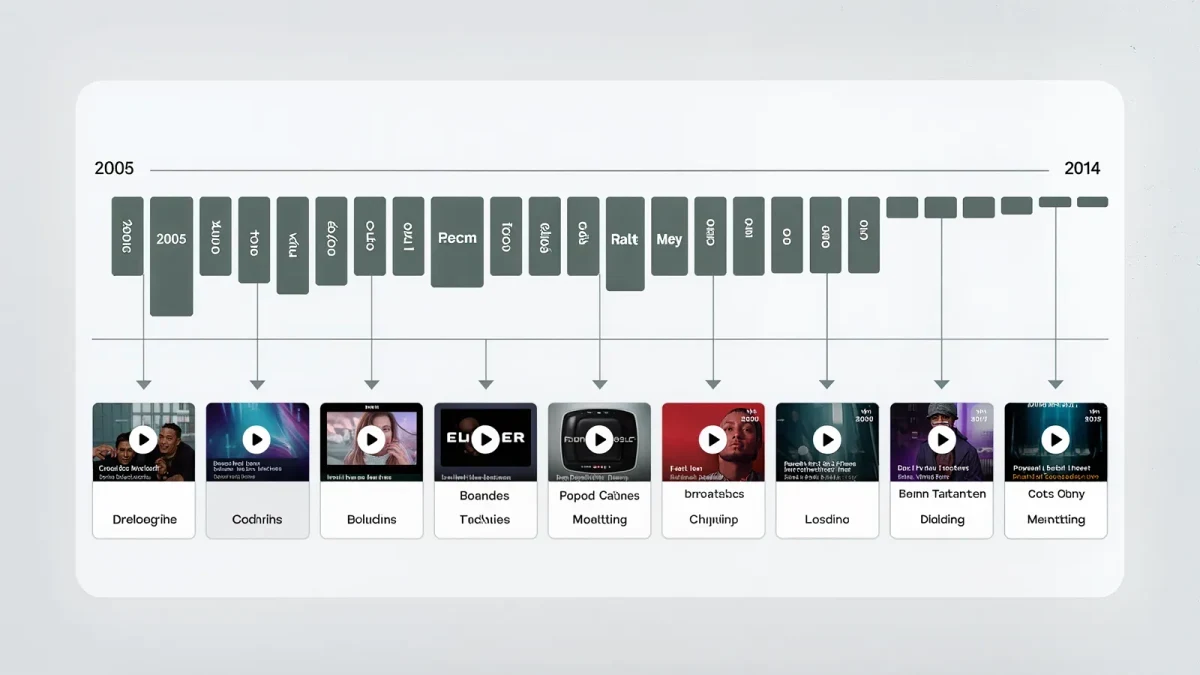
Radio-podcast hybrids — shows produced for a broadcast clock and then distributed as on-demand episodes — have become one of the dominant forms of audio in the 2020s. The turning point is easy to date: NPR began distributing programs as podcasts in 2005, and by the time Serial arrived in 2014 as a spinoff of a public-radio show and downloaded hundreds of millions of times, every radio network had understood that a broadcast archive could be a global on-demand catalog. Today a music or talk program routinely exists in two states at once: scheduled on a frequency, and waiting in a feed.
AA Digital Sound is a magazine about radio and discovery culture; this primer examines the hybrid form from documented industry history — what changes technically, editorially, and economically when a show crosses from the clock to the feed.
How did radio shows become podcasts in the first place?
The route ran through public broadcasting. Public networks had decades of experience syndicating programs by tape and satellite, so swapping the satellite for an RSS feed was a small technical step with large consequences. NPR's 2005 podcasting move, early in the medium's history — the word podcast itself was coined in 2004 — put established radio brands into an ecosystem otherwise filled with amateurs. The BBC followed the same logic, building catch-up services that evolved into its on-demand audio platform, BBC Sounds, launched in 2018. Commercial spoken-word stations converted local talk shows into daily podcasts almost as fast, because the archive cost nearly nothing to publish. The hybrid was not a strategy so much as a consequence: radio already made audio every day, and the internet made storage and distribution free.
What changes when a radio show becomes a podcast?
Nearly everything except the voices. The clock dissolves — a podcast listener can pause, skip, and play at 1.5 speed, so the tight radio break, engineered around a driver who might change the channel, becomes a liability rather than a discipline. Local references go strange: a call-in segment aimed at one metro area now reaches listeners on other continents who cannot attend the event being promoted. Advertising is re-cut, because a live-read recorded for a city's car dealerships cannot run in a global feed, and podcast ad markets price host-read spots differently from broadcast spots. Measurement changes most of all: a radio audience is estimated minute by minute, while a podcast download is counted individually — so for the first time, broadcasters knew exactly which episodes people kept.
What do hybrid shows do to music discovery?
They stretch it across time. A specialty show that aired once at midnight on a community frequency — one play, one city, gone — now lives as an archive that a listener in another hemisphere finds two years later. That has changed how music programmers think: a guest mix or an artist interview is no longer a perishable broadcast but a durable artifact that labels and publicists treat as coverage. DJ sets, session recordings, and genre-history programs have migrated naturally to the format, and radio networks have responded with podcast-first music programming commissioned outside any broadcast clock. The discovery infrastructure this magazine writes about — college stations, community programmers, volunteer curators — gains a second life here: the same trusted human filter, freed from the transmitter's schedule.
What are the economics of the hybrid?
Mixed, and that is the honest answer. Podcast advertising grew quickly but consolidated around a handful of big spoken-word shows, while music-heavy hybrid programs struggle to monetize at all, because music use in podcasts requires direct licensing deals with rights holders rather than radio's blanket licenses. Some stations treat podcasts as marketing — a free sample that drives loyalty to the live schedule — while others treat the archive as the product and the frequency as the marketing. Public broadcasters fund hybrids through the giving model their listeners already know; commercial networks cut when downloads do not convert to revenue. The result is a moving equilibrium, with each network recalibrating what it publishes on demand.
What have hybrid shows lost?
Liveness, mostly. A radio show is an appointment shared at the same moment by strangers — traffic, weather, a city's mood — and a podcast is a private replay stripped of that simultaneity. Hybrid producers who started in radio often describe missing the discipline of the clock: the deadline that forced decisions, the fade that ended things. Some have rebuilt it artificially, publishing episodes at a fixed hour to preserve appointment listening, or keeping live broadcast versions with call-ins alongside edited podcast cuts. The strongest hybrids, on the evidence of the last decade, keep one foot in each: live enough to matter locally, archived enough to travel.
Where is the hybrid heading next?
Toward ubiquity and away from novelty. Video versions of radio studios became routine in the 2020s, and on-demand platforms bundle live streams and podcasts in a single interface, which is the hybrid idea absorbed into the plumbing. The open question is curation: when every broadcast has a feed, discovery depends on the same human filters radio always relied on — the programmer, the host, the station brand a listener trusts. The technology changed the delivery; the craft of choosing what deserves airtime, and now feed-space, is unchanged.